Cows Forgotten on Island: What the Real Story Reveals
Cows forgotten on island provide surprising insights into survival and DNA.
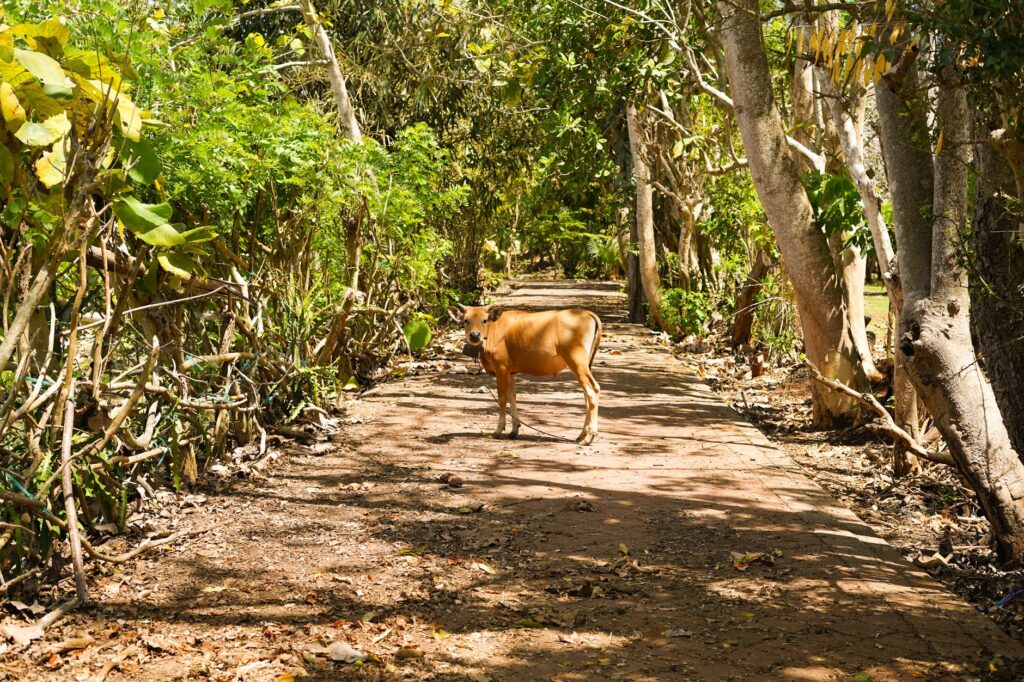
Cows forgotten on island have intrigued researchers for over a century. The story of these animals surviving alone for 130 years raises questions about their genetics and the myths surrounding their existence.
The Fascinating Tale of Forgotten Cows
The story of the cows forgotten on an island is both intriguing and heartwarming. In 1871, a group of cows was left behind on an isolated isle, destined to fend for themselves. For over a century, these animals thrived in the wild, adapting to their environment and living in relative seclusion.
Researchers recently uncovered this remarkable tale, which reveals that the cows not only survived but also flourished without human intervention. Their resilience raises questions about the impact of domestication on livestock and the potential for animals to revert to a more natural state.
DNA analysis conducted on the cows shows a fascinating outcome; contrary to popular belief, the genetic data indicates that these animals did not experience the significant shrinkage often associated with isolated populations. Instead, they maintained their size and health over the years.
This unexpected discovery has captivated scientists and animal lovers alike, prompting a deeper investigation into the lives of the cows forgotten on an island and the broader implications for animal survival in changing environments.
Survival Secrets of Island Cows
The story of the cows forgotten on an island for over a century unveils remarkable survival secrets that have intrigued both scientists and animal lovers alike. These resilient creatures, isolated since 1871, adapted to their environment in astonishing ways.
Key factors contributing to their survival include:
- Natural Foraging: The cows learned to graze on the island’s unique flora, relying on native plants that provided essential nutrients.
- Social Structure: Living in small herds allowed them to maintain social bonds, which proved vital for protecting against potential threats.
- Reproductive Adaptation: The herd developed a breeding strategy that ensured genetic diversity, preventing inbreeding despite their isolation.
- Weather Resilience: Over the years, they became accustomed to the island’s harsh weather conditions, developing thicker coats for warmth.
These adaptations highlight the extraordinary ability of animals to thrive in the most unexpected circumstances, emphasizing the ongoing importance of studying the cows forgotten on an island and their unique evolutionary journey.
What DNA Reveals About Their Longevity
Recent DNA analysis has shed light on the surprising longevity of the cows forgotten on the island since 1871. Researchers were intrigued by the genetic makeup of these isolated animals, which had thrived for over 130 years without human intervention.
One of the most compelling findings from the DNA study is that the genetic profile of these cows does not show signs of the shrinking phenomenon typically observed in isolated populations. Instead, the cows retained traits that are indicative of their original breed. This suggests that environmental pressures on the island may have played a role in their unique development.
Key revelations from the research include:
- Genetic Diversity: The cows exhibit a surprising level of genetic variation, which helped them adapt to the island’s specific conditions.
- Health Resilience: The DNA analysis indicates a strong immune system, contributing to their remarkable survival.
- Longevity Factors: Factors such as diet and limited stressors may have significantly influenced their lifespan.
Overall, the story of the cows forgotten on the island continues to captivate scientists and animal lovers alike.
Historical Context of the Cows’ Isolation
The story of the cows forgotten on an island dates back to 1871, when a group of livestock was left behind during a routine livestock operation. Originally intended to be part of a larger herd, these cows were inadvertently abandoned due to a logistical oversight. Over the years, they became a part of local lore, surviving alone and adapting to their isolated environment.
Historical accounts suggest that the island presented unique challenges, yet the cows thrived in their new habitat. With no human intervention, they developed distinct behavioral traits and physical characteristics, showcasing nature’s resilience. Studies indicate that these cows maintained a stable population, contradicting the notion of a shrinking herd.
The isolation of the cows led to fascinating genetic developments. Researchers have found that their DNA reveals remarkable adaptations that allowed them to flourish despite their seclusion. This genetic evidence also raises questions about the broader implications of animal survival in isolated ecosystems, highlighting the enduring legacy of the cows forgotten on an island.
Implications for Animal Genetics
The story of the cows forgotten on an island is not just a tale of survival; it also raises significant questions about animal genetics and biodiversity. These cows, isolated for over a century, present a unique opportunity for researchers to study the effects of environmental pressures on genetic evolution.
Experts have noted several implications stemming from this case:
- Genetic Adaptation: The isolation of the cows allowed them to adapt to their specific environment, potentially leading to unique genetic traits that could benefit future agricultural practices.
- Conservation Insights: Understanding how these cows thrived despite their isolation can inform conservation efforts for other endangered species facing habitat loss.
- Biodiversity Preservation: The genetic diversity found in these island cows underscores the importance of preserving diverse breeding populations to ensure resilience against diseases.
- Impacts on Breeding Programs: Insights gained from their DNA could influence modern breeding programs by highlighting traits that contribute to longevity and health.
Ultimately, the story of the cows forgotten on an island opens new avenues for genetic research and conservation strategies.
Lessons from the Cows’ Survival
The story of the cows forgotten on an island offers several intriguing lessons about resilience and adaptation in isolated environments. These cows, which thrived for over a century without human intervention, demonstrate the remarkable capacity of animals to adapt to their surroundings. Their long-term survival is a testament to the importance of genetic diversity, which may have played a crucial role in their ability to endure harsh conditions.
Moreover, the isolation experienced by these cows highlights the effects of environmental pressures on animal behavior and physiology. The cows developed unique traits that allowed them to thrive where others might have perished. This phenomenon raises questions about how isolation can lead to evolutionary changes, even in domesticated species.
Beyond genetics, the story serves as a reminder of the impact of human neglect and the responsibility we hold towards domesticated animals. It prompts discussions about conservation efforts and the ethical implications of leaving animals to fend for themselves in the wild.
- Resilience in isolation
- Importance of genetic diversity
- Impact of human intervention
The recent discovery of the cows forgotten on island has sparked a debate about animal welfare and environmental responsibility. Many are now questioning how such a situation could occur without intervention.
Photo by Rudi De Ceuster on Pexels
Where this came from
Related stories
iPhone 18 Pro pre-orders: Worst reception for Apple yet · Justice Department Paramount Bond: Is It the Right Move? · Science Needs Failure: The Real Benefits of Mistakes