German far right election: Is it the worst outcome for democracy?
German far right election results show a troubling trend for Germany’s political landscape.
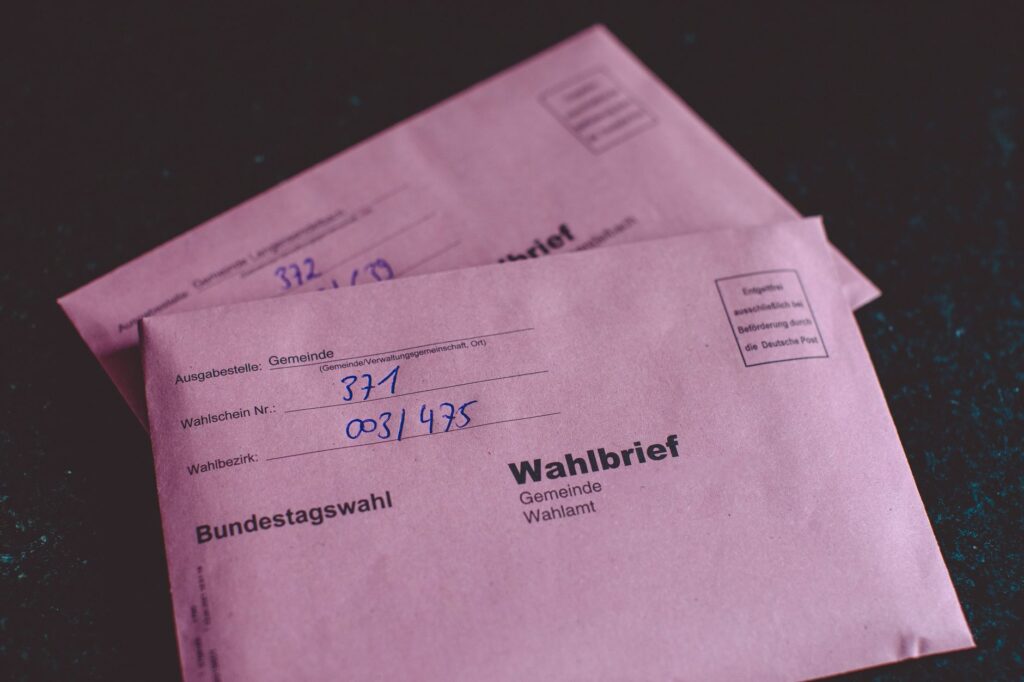
The German far right election results have been labeled a disaster by Merz, highlighting the growing influence of extremist parties in the region.
Overview of the election results
The recent regional elections in Germany have sparked significant concern among political analysts and citizens alike. The results indicate a growing influence of the far right, with the German far right election leading to notable victories in several key areas. This trend has raised alarms about the potential implications for democratic values in the country.
In the wake of these elections, Friedrich Merz, the leader of the Christian Democratic Union (CDU), characterized the results as a “disaster.” The CDU, once a dominant force in German politics, now faces challenges in reclaiming its traditional voter base, as the far-right Alternative for Germany (AfD) continues to gain traction.
Key outcomes from the recent elections include:
- The AfD securing approximately 30% of the vote in certain regions.
- A significant decline in support for established parties, including the CDU and Social Democrats.
- Concerns regarding the normalization of extremist rhetoric in mainstream politics.
As the political landscape shifts, many question the future of Germany’s democracy and the resilience of its democratic institutions in the face of rising extremism.
Merz’s reaction to the outcomes
Following the recent election results, Friedrich Merz, leader of the Christian Democratic Union (CDU), expressed grave concerns about the implications of the German far right election outcomes. In his statements, he referred to the situation as a ‘disaster’, highlighting the rise of far-right parties in key regions.
Merz emphasized the alarming trend of increasing support for these groups, which he believes poses a significant challenge to democratic values in Germany. He stated, “The electorate’s shift towards extremist parties is a wake-up call for all of us.” His remarks resonate with many who fear that the normalization of far-right ideologies could undermine the foundations of German democracy.
In response to the election, Merz outlined several key points:
- Increased vigilance: He urged party members to be more proactive in countering extremist narratives.
- Community engagement: Merz called for renewed efforts to connect with voters and restore trust in traditional parties.
- Unity among parties: He stressed the importance of a united front against the rise of far-right sentiments.
Merz’s reaction reflects a broader concern within the political landscape regarding the future of democratic governance in Germany.
Impact on Germany’s political future
The recent German far right election results have raised significant concerns about the future political landscape of Germany. With the far-right party gaining unprecedented traction, analysts suggest that the implications could be profound.
One immediate impact is the potential shift in traditional party alliances. The rise of the far right may compel mainstream parties to reconsider their strategies and approaches to governance. As Merz described the outcomes as a “disaster,” it reflects the growing unease within established political circles.
Many believe that the normalization of far-right rhetoric could undermine democratic values, challenging the very foundations of pluralism in Germany. The fear is that if the far right continues to gain support, it may embolden similar movements across Europe, leading to a fragmented political environment.
Additionally, the socio-economic policies proposed by these far-right factions are likely to create further divides among the populace. As citizens react to the new political reality, the stability of the coalition government may be at risk, potentially leading to early elections.
- Concerns about political polarization
- Impact on coalition dynamics
- Future of democratic engagement
Ultimately, the results of this election could mark a pivotal moment for democracy in Germany.
Far right’s rise in popularity
The recent German far right election has captured significant attention as the party’s popularity continues to surge, raising concerns about the implications for democratic values in the country. In the wake of the latest results, many analysts point to a growing disenchantment among voters with traditional parties, which has created an opening for far-right candidates to gain traction.
Several factors contribute to this trend:
- Economic Discontent: Rising inflation and economic instability have fueled frustration among the electorate, leading some to seek alternatives to mainstream parties.
- Immigration Policies: The far right has effectively capitalized on fears surrounding immigration, portraying themselves as the defenders of national identity and security.
- Social Media Influence: Online platforms have allowed far-right ideologies to spread rapidly, reaching a younger audience disenchanted with established political narratives.
- Political Polarization: The increasing polarization within German politics has created a fertile ground for radical viewpoints, further emboldening far-right movements.
As the German far right election results unfold, political analysts warn that the normalization of these ideologies poses a critical challenge to the foundations of democracy in the country.
Historical context of regional elections
The historical context of regional elections in Germany provides crucial insight into the current political landscape, particularly with the rise of the far right. Since the reunification of Germany in 1990, regional elections have often served as barometers for national sentiment, revealing shifting attitudes towards immigration, economic stability, and national identity.
The emergence of the German far right, particularly through parties like Alternative for Germany (AfD), has transformed the electoral dynamics. Initially founded in 2013 as a response to the Eurozone crisis, the AfD capitalized on growing discontent, especially in eastern regions where socio-economic challenges persist.
Throughout the years, regional elections have seen fluctuating support for the far right, but recent outcomes indicate a concerning trend. In several states, the far right has gained unprecedented traction, leading to fears about its impact on democratic values. Voter disillusionment with traditional parties has allowed these factions to thrive, raising alarms about the potential normalization of extremist views.
As the German far right election results unfold, observers are left questioning the implications for democracy and the future of political discourse in the nation.
The recent German far right election has sparked intense debates about its implications for democratic values in the country. Many analysts argue that the rise of the German far right election could undermine decades of progress in promoting inclusivity and tolerance.
Photo by Markus Spiske on Pexels