Free dairy cows: What are the proven benefits for rural women?
Free dairy cows are being provided to 10,000 rural women in India, aiming to empower them economically and socially.
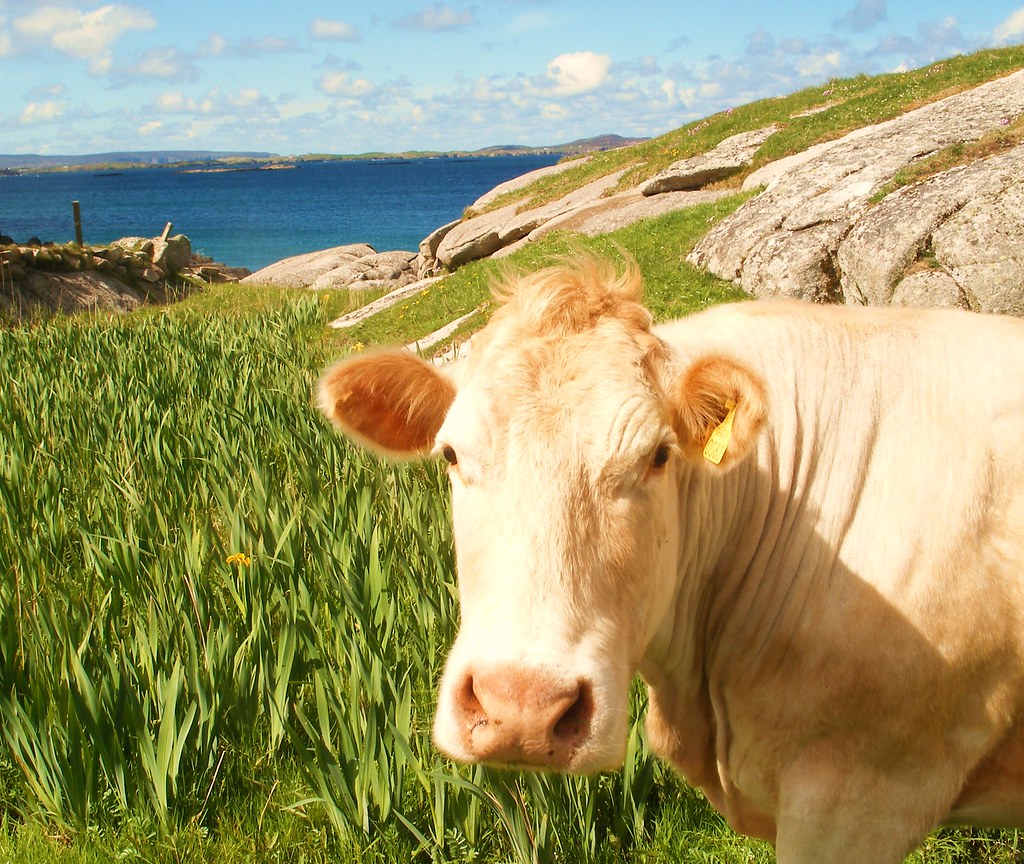
free dairy cows are set to benefit 10,000 rural women in India, with the government approving Rs 570 million for this initiative. This program aims to enhance the livelihoods of women in rural areas.
Overview of the Initiative
The initiative to provide free dairy cows to rural women in India has garnered significant attention and support. With an allocation of Rs 570 million aimed at benefiting 10,000 women, this program is designed to empower local communities and enhance the livelihoods of women in agriculture.
By distributing dairy cows at no cost, the program aims to address several key issues faced by rural women:
- Economic Empowerment: By owning dairy cows, women can generate a steady source of income through milk production, which can help improve their family’s financial stability.
- Nutrition Improvement: Access to dairy products can boost the nutritional intake of families, particularly benefiting children and pregnant women.
- Skill Development: The initiative includes training programs in animal husbandry and dairy management, equipping women with valuable skills for running their own dairy operations.
- Social Impact: Empowering women in agriculture can lead to greater community involvement and improved decision-making within households.
Overall, this initiative not only aims to distribute free dairy cows but also seeks to create a sustainable model for rural development. By focusing on the needs of women, the program fosters independence and resilience among the rural population.
Impact on Rural Women
The initiative to provide free dairy cows to rural women has significantly transformed their livelihoods and empowered them economically. By giving these women access to dairy farming, the program aims to uplift their status within their communities and ensure financial stability.
One of the most notable impacts is the increase in income for rural households. Many women have reported a substantial rise in their earnings, allowing them to invest in their families’ health and education. This newfound financial independence has also given women a stronger voice in decision-making processes at home and in their communities.
Furthermore, owning dairy cows has provided women with a means of self-employment, reducing their reliance on traditional agricultural practices that are often less profitable. The consistent income generated from milk production enables them to manage household expenses more effectively and save for future needs.
In addition to financial benefits, the initiative has fostered community building among women. They often come together to share knowledge about dairy farming, forming support networks that enhance their skills and confidence. This collective empowerment creates a positive ripple effect, encouraging others to pursue similar opportunities.
Ultimately, the provision of free dairy cows is not just about providing livestock; it is about transforming the lives of rural women and promoting gender equality in the agricultural sector.
Government Funding Details
The recent initiative by the Indian government to provide free dairy cows has garnered significant attention, especially with the approval of Rs 570 million in funding. This financial support aims to empower around 10,000 rural women, enabling them to become self-sufficient through dairy farming.
The funding will be allocated in phases, ensuring that the women receive adequate training and resources to manage their new dairy cows effectively. The initiative not only focuses on providing livestock but also includes provisions for veterinary care, nutrition, and sustainable farming practices.
One of the key features of this government funding is the emphasis on creating a supportive ecosystem for the beneficiaries. The program will facilitate access to markets where women can sell their dairy products, thereby increasing their income potential. Additionally, workshops and training sessions will be organized to educate the women on best practices in dairy farming, ensuring they are well-equipped to handle their new responsibilities.
This initiative is expected to have a ripple effect on rural communities by fostering economic independence and improving the overall quality of life. Women who previously faced barriers to economic participation will now have the opportunity to contribute actively to their households and communities. By investing in free dairy cows, the government aims to uplift rural women, making a significant impact on poverty alleviation and gender equality.
Dairy Farming in India
Dairy farming in India has long been a vital source of livelihood for many rural families, particularly for women. The recent initiative providing free dairy cows to 10,000 rural women is set to enhance this tradition significantly. With the government’s approval of Rs 570 million, this program aims to empower women by offering them the resources they need to establish and manage their own dairy businesses.
The benefits of dairy farming extend beyond just financial gain. It also promotes self-sufficiency and boosts the status of women in rural communities. By owning their own dairy cows, women can ensure a steady income, which contributes to their families’ well-being and education. Furthermore, this initiative encourages the production of high-quality milk, which can lead to improved nutrition for families and increased sales in local markets.
In addition to economic advantages, dairy farming fosters a sense of community among women. They can share knowledge, techniques, and support one another, creating a network that enhances their skills and confidence. This collaborative spirit is essential, especially in rural areas where women often face various challenges.
Overall, the provision of free dairy cows is not just an economic opportunity; it signifies a step towards gender equality and empowerment in India’s agricultural landscape.
Benefits of Dairy Cows
The initiative to provide free dairy cows has shown numerous benefits for rural women, significantly enhancing their livelihoods and social status. First and foremost, these cows offer a reliable source of income through milk production. Women can sell the milk in local markets, create dairy products, and even establish small businesses, leading to financial independence.
Moreover, owning dairy cows promotes better nutrition for families. Fresh milk contributes essential nutrients, improving the overall health of household members, especially children. This nutritional boost can lead to better educational outcomes as children are more likely to perform well in school when they are healthy.
In addition to economic and nutritional benefits, free dairy cows empower women socially. By engaging in dairy farming, women gain respect within their communities and become active participants in local decision-making processes. Their involvement in agriculture fosters a sense of community and collaboration, as they often join cooperatives to share resources and knowledge.
Furthermore, the initiative supports sustainable agricultural practices. With proper training, women learn about livestock management and sustainable farming techniques, contributing to environmental conservation and enhancing agricultural productivity.
In conclusion, the provision of free dairy cows not only transforms the economic landscape for rural women but also enriches their lives socially and nutritionally, creating a ripple effect of positive change within their communities.
Challenges Faced by Rural Women
Despite the benefits associated with the initiative providing free dairy cows, rural women face several challenges that can hinder their progress. These challenges are multifaceted and demand attention to ensure that the initiative’s goals are fully realized.
- Access to Resources: Many rural women lack access to essential resources such as veterinary care, quality feed, and proper training in dairy management. Without these resources, the potential of free dairy cows may not be fully harnessed.
- Cultural Barriers: In some areas, cultural norms may discourage women from taking on roles in dairy farming. This can limit their ability to manage the cows effectively and enjoy the benefits of the initiative.
- Market Access: Rural women often struggle to access markets where they can sell their dairy products. This can lead to financial instability, undermining the economic upliftment intended by the provision of free dairy cows.
- Time Constraints: Balancing household responsibilities and dairy farming can be overwhelming for rural women. The time required for milking and caring for the cows often conflicts with other domestic duties.
- Financial Literacy: A lack of financial literacy can hinder women’s ability to manage the income generated from dairy farming, which is crucial for their empowerment and sustainability.
Addressing these challenges is essential for maximizing the potential advantages that free dairy cows offer to rural women.
Future Prospects of the Program
The initiative to provide free dairy cows to rural women represents a significant step forward in empowering women in agriculture. As this program gains momentum, the future prospects appear promising, not just for the beneficiaries but for the entire rural economy.
Experts foresee several potential benefits stemming from the program:
- Increased Income: With access to free dairy cows, rural women can enhance their income through milk production and sales, leading to improved living standards.
- Job Creation: The initiative is expected to create jobs not only in dairy farming but also in related sectors such as transport, processing, and distribution.
- Skill Development: Training programs associated with the initiative will equip women with vital skills in dairy management, fostering independence and self-sufficiency.
- Improved Nutrition: Access to dairy products can enhance the nutritional intake of families, contributing to better health outcomes.
Moreover, as more women become financially empowered through dairy farming, their role in community decision-making is likely to strengthen. This shift can lead to broader social changes, as empowered women advocate for their rights and contribute to local development.
Overall, the free dairy cows initiative has the potential to transform the lives of thousands of rural women, setting a precedent for similar programs in the future.
By Liamfm . via Openverse