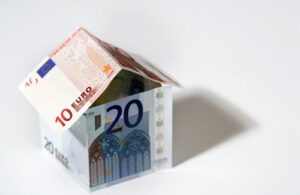
Home Upgrade Costs: The Worst Unnecessary Expenses Revealed
Home upgrade costs can be shocking, especially when many are often unnecessary. Discover the truth behind these expenses.
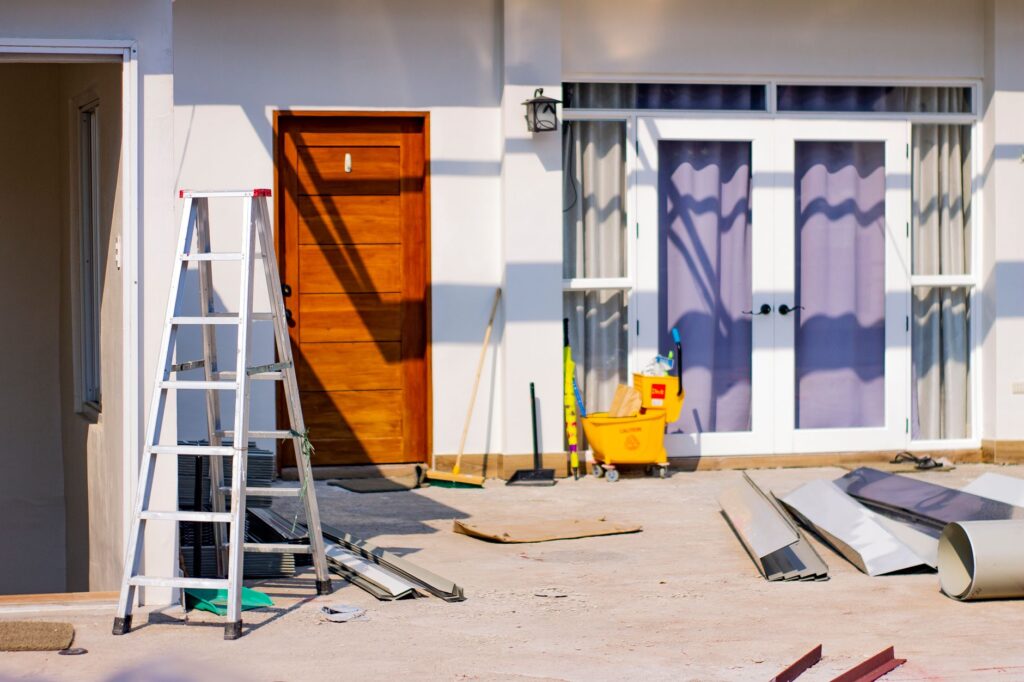
home upgrade costs are becoming a hot topic as people pay thousands for renovations that may not be needed. This trend raises questions about the necessity of such investments.
Understanding Home Upgrade Costs
Understanding home upgrade costs is essential for homeowners looking to enhance their properties without breaking the bank. Many upgrades can seem appealing but may not add significant value or functionality to your home.
Homeowners often fall victim to trends, investing in upgrades that are not only costly but also unnecessary. Some common examples include:
- High-End Appliances: While they may look sleek, they often don’t provide a return on investment.
- Luxury Flooring: Upgrading to expensive materials can be tempting, but more affordable options might suffice.
- Overpriced Landscaping: Spending thousands on elaborate designs may not significantly enhance curb appeal.
Before proceeding with any upgrades, it’s crucial to evaluate their necessity and potential impact on home value. Understanding these home upgrade costs can help you make informed decisions and avoid spending thousands on projects that do not enhance your living experience or property value.
Why Are People Spending So Much?
Many homeowners find themselves investing in home upgrades that may not be essential, leading to inflated expenses. A combination of social pressures and marketing tactics contributes to this trend, leaving individuals questioning their financial choices.
One primary reason for this increase in spending is the influence of popular home improvement shows and social media platforms. These sources often glamorize renovations, making them appear both necessary and desirable.
Additionally, as the housing market fluctuates, homeowners may feel compelled to enhance their property’s value through upgrades, even when such changes are unnecessary. This desire to keep up with trends can further escalate home upgrade costs.
Other factors include:
- Fear of missing out: Homeowners may rush into projects to avoid being left behind.
- Perceived value: Many believe that these upgrades will significantly increase their home’s marketability.
- Convenience: Hiring professionals for upgrades can lead to overspending without careful consideration.
Ultimately, these influences drive homeowners to incur unnecessary expenses when upgrading their homes.
The Impact of Marketing on Home Improvements
The realm of home improvements has been heavily influenced by marketing strategies that often create a sense of urgency among homeowners. Advertisements showcase luxurious renovations and state-of-the-art upgrades, leading many to believe that these enhancements are essential for a modern living space. However, the reality is that not all home upgrades justify their costs.
Many homeowners find themselves drawn to these enticing marketing campaigns, leading to unnecessary expenses. For instance, the pressure to install high-end appliances or trendy fixtures can inflate home upgrade costs significantly, even when simpler alternatives would suffice.
Understanding the impact of marketing on home improvements is crucial. Homeowners should evaluate whether these upgrades truly add value or are merely a result of clever advertising. By focusing on practical needs rather than perceived trends, homeowners can avoid spending thousands on unnecessary enhancements and make informed decisions that align with their financial goals.
Identifying Unnecessary Upgrades
When it comes to making improvements to a home, not all upgrades are created equal. Identifying unnecessary upgrades can save homeowners a significant amount of money in home upgrade costs. Many people fall prey to trendy renovations that ultimately do not add value to their property.
Common unnecessary upgrades include:
- High-end kitchen appliances: While they may look impressive, they often don’t provide a return on investment.
- Luxury bathroom fixtures: Features like rainfall showerheads can be enticing, but basic models serve just as well.
- Excessive landscaping: Spending too much on elaborate gardens can detract from overall property value.
- Smart home technology: Although convenient, many devices may quickly become outdated.
Before embarking on any home improvement projects, homeowners should carefully consider which upgrades are truly necessary and beneficial to their living space.
Alternatives to Costly Renovations
When considering home upgrade costs, homeowners often overlook budget-friendly alternatives that can provide a fresh look without breaking the bank. Instead of diving into expensive renovations, there are several cost-effective strategies to enhance your living space.
- Cosmetic Changes: Simple updates like fresh paint, new hardware on cabinets, or updated light fixtures can make a significant impact.
- Landscaping: Improving your garden with low-maintenance plants or decorative stones is a great way to boost curb appeal without high costs.
- DIY Projects: Engaging in do-it-yourself projects can save on labor costs and allow for personalized touches throughout your home.
- Repurposing Existing Features: Instead of replacing items, consider refinishing or reimagining existing features to give them new life.
By exploring these alternatives, homeowners can avoid unnecessary expenses while still achieving the desired upgrades in their homes.
Photo by Nothing Ahead on Pexels