
Trump Defamation Case: Worst Legal Battle with Proven Implications
Trump defamation case updates as federal judge denies motion to dismiss against the BBC, impacting the media landscape.
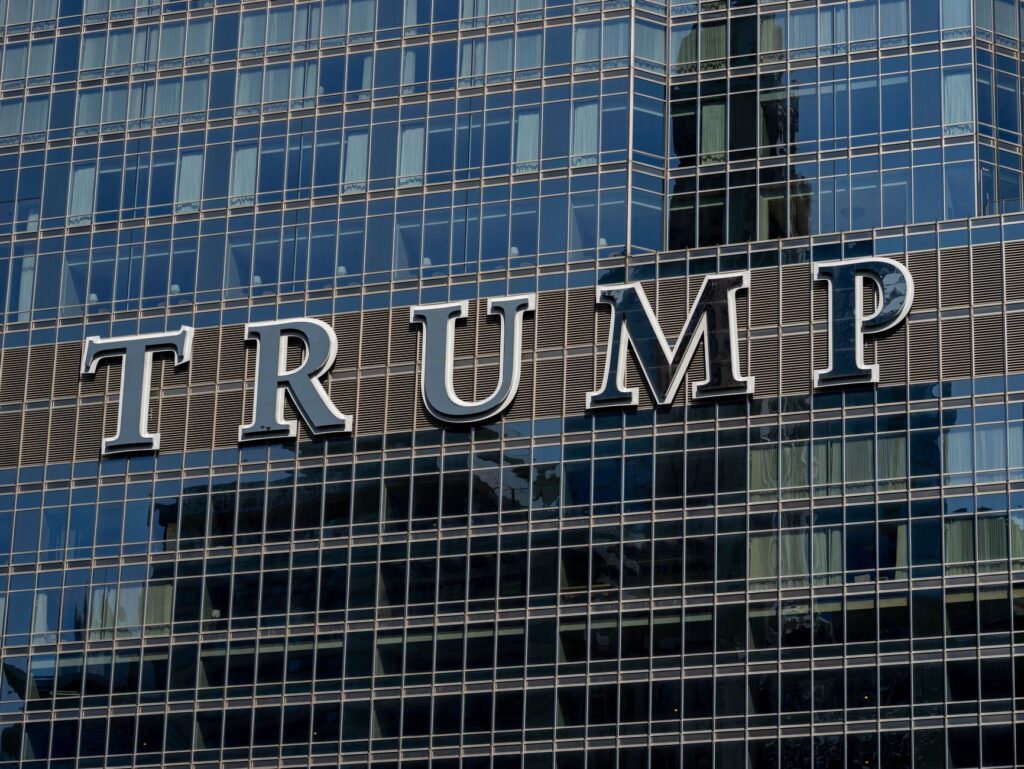
The Trump defamation case continues to unfold as a federal judge has denied the motion to dismiss, allowing the legal battle against the BBC to proceed.
Overview of the Trump Defamation Case
The Trump defamation case has emerged as one of the most significant legal battles in recent history, raising questions about the boundaries of free speech and accountability in media reporting. This case centers around comments made by a prominent news outlet regarding former President Donald Trump, which he claims misrepresented his actions and character. The implications of the case extend far beyond Trump himself, potentially affecting how public figures can respond to defamatory statements.
Recently, a federal judge denied a motion to dismiss the case, allowing it to proceed to trial. This decision underscores the seriousness with which the court views the allegations and the potential consequences for the defendant. Key aspects of the case include:
- Defamation Standards: The legal thresholds that must be met to prove defamation are critical to the outcome.
- Implications for Journalism: The case may set precedents regarding journalistic responsibility and the protection of public figures.
- Public Interest: The ongoing coverage and public attention suggest that the case resonates deeply with societal issues surrounding truth and misinformation.
As the legal proceedings unfold, stakeholders in both media and politics will be closely monitoring the developments of the Trump defamation case.
Implications of the Judge’s Ruling
The implications of the judge’s ruling in the Trump defamation case are far-reaching and could reshape the landscape of media accountability. By denying the motion to dismiss, the court has set a precedent that underscores the significant legal boundaries surrounding free speech and defamation claims.
Legal experts suggest that this ruling may lead to:
- Increased scrutiny on media outlets: With the judge’s decision, news organizations may face greater pressure to verify the accuracy of their reporting to avoid similar legal battles.
- Potential for higher stakes in defamation suits: The ruling may embolden public figures to pursue legal action against media entities, impacting how journalists report on controversial figures.
- Challenges in balancing free speech: The case highlights the ongoing struggle to balance the First Amendment rights with the need to protect individuals from false and damaging statements.
- Future legal precedents: This case could influence future defamation cases involving public figures, as courts navigate the complexities of truth and opinion in reporting.
As the Trump defamation case progresses, the outcome may have lasting effects on media practices and legal interpretations, making this a watershed moment in the realm of defamation law.
BBC’s Response to the Legal Challenge
In a recent development concerning the Trump defamation case, the BBC has responded vigorously to the legal challenge posed by former President Donald Trump. Following a federal judge’s decision to deny a motion to dismiss the case, the BBC issued a statement emphasizing its commitment to journalistic integrity and the importance of free speech.
The BBC’s spokesperson remarked, “We stand by our reporting and believe in the responsibility of the press to hold public figures accountable.” This sentiment highlights the media organization’s stance on upholding the principles of accurate reporting, especially in cases involving high-profile individuals like Trump.
The legal battle has raised significant questions about the boundaries of defamation law and the impact of public discourse on individual reputations. The BBC aims to defend its editorial choices and respond to the allegations made against it.
As the case progresses, it not only tests the resilience of the media in the face of legal scrutiny but also sheds light on the implications for future coverage of political figures. The outcome could set a precedent for how defamation cases involving media organizations are handled in the ever-evolving landscape of journalism.
What This Means for Media Freedom
The outcome of the Trump defamation case carries significant implications for media freedom and journalistic integrity. As the legal battle unfolds, it raises crucial questions about the balance between political discourse and the protections afforded to the press.
Media organizations often rely on the ability to report on public figures without fear of legal repercussions. However, the ongoing case against the BBC highlights the potential chilling effect that such lawsuits can have on reporting. If the court sides with Trump, it could set a precedent that allows public figures to use defamation claims to silence critical media coverage.
This situation emphasizes the need for a robust defense of journalistic freedom. Journalists must be able to investigate and report on matters of public interest, especially those involving powerful individuals. The implications of this case extend beyond just one media outlet; they affect the entire landscape of news reporting.
Furthermore, the case may inspire other public figures to pursue similar legal actions, stifling dissenting voices in the media. As the legal proceedings continue, it remains essential for the media to advocate for its rights and uphold the principles of free speech that are foundational to democratic societies.
The Trump defamation case has drawn significant media attention, highlighting the broader implications for public figures and their accountability. As the trial progresses, the outcomes of the Trump defamation case may set critical precedents for future legal battles involving free speech and defamation claims.
Photo by Joshua Santos on Pexels