India Pakistan Kashmir conflict: What’s the Real Story?
India Pakistan Kashmir conflict has escalated tensions. Discover the real story behind the recent UN statements and their implications.
India Pakistan Kashmir conflict has taken center stage at the UN, with India firmly condemning Pakistan’s claims. The ongoing dispute continues to draw international attention.
Overview of the Kashmir Conflict
The Kashmir conflict between India and Pakistan has been a longstanding and deeply complex issue, rooted in historical, political, and territorial disagreements. Since the partition of British India in 1947, both nations have claimed the region of Kashmir, leading to several wars and ongoing tensions.
At the heart of the conflict is the princely state of Jammu and Kashmir, whose accession to India remains disputed. The region is strategically significant, with its diverse culture and geography contributing to the contestation between the two countries. Over the decades, the conflict has escalated, resulting in violence, human rights violations, and a humanitarian crisis.
Key factors influencing the Kashmir conflict include:
- Historical Disputes: The partition led to territorial claims and military confrontations.
- Political Dynamics: The region has witnessed varying degrees of autonomy and direct control from both nations.
- International Involvement: Global powers have occasionally intervened, complicating the conflict further.
In recent years, tensions have flared, leading to accusations and counter-accusations between India and Pakistan. With both sides firmly entrenched in their positions, a peaceful resolution to the Kashmir conflict remains elusive.
India’s Response at the UN
During a recent session at the United Nations, India firmly addressed the ongoing Kashmir conflict, highlighting its stance against Pakistan’s narratives. India’s representative emphasized the importance of truth in discussions regarding the India Pakistan Kashmir conflict, asserting that misinformation only exacerbates tensions in the region.
India’s delegation presented several key points in its defense:
- Historical Context: India reiterated that Kashmir is an integral part of its territory, supported by legal agreements and historical facts.
- Countering Misinformation: The Indian representative criticized Pakistan for what they termed as “peddling lies and falsehoods” regarding the situation in Kashmir, asserting that such claims were not only unfounded but also damaging to peace efforts.
- Focus on Development: India emphasized its commitment to the development of Jammu and Kashmir, stressing that it is working towards improving the lives of all its citizens, irrespective of their background.
The statements made by India’s representatives reflect a broader strategy to counteract narratives that they believe distort the reality of the situation in Kashmir, underlining their commitment to a peaceful resolution while firmly standing against what they perceive as misinformation from Pakistan.
Pakistan’s Position on Kashmir
Pakistan’s stance on the Kashmir conflict is rooted in its historical claims and views on self-determination for the Kashmiri people. The nation asserts that Kashmir is a disputed territory, emphasizing the need for a plebiscite to allow the residents of the region to decide their future. Pakistan argues that the United Nations resolutions advocate for this process, which they believe India has consistently ignored.
In recent statements, Pakistani officials have criticized India’s actions in Kashmir, labeling them as violations of human rights and international law. They contend that the Indian government’s policies have led to an escalation of tensions and suffering among the Kashmiri population. The narrative from Islamabad highlights several key points:
- International Support: Pakistan seeks to garner global attention and support for its position, emphasizing solidarity from various countries regarding the Kashmir issue.
- Human Rights Violations: Reports of alleged human rights abuses in Kashmir are frequently cited by Pakistan to justify their claims and advocate for international intervention.
- Self-Determination: Pakistan maintains that the Kashmir conflict is fundamentally about the right of the Kashmiri people to choose their own destiny.
As the conflict continues to evolve, Pakistan remains committed to raising awareness about what they term the “India Pakistan Kashmir conflict.”
Impact of the Conflict on Regional Stability
The ongoing India Pakistan Kashmir conflict has profound implications for regional stability in South Asia. The persistent tensions between the two nations not only affect their bilateral relations but also pose risks to neighboring countries. As both India and Pakistan continue to mobilize military resources along the Line of Control, the threat of escalation remains high.
The conflict has led to a cycle of violence that hampers economic development in the region. In areas affected by unrest, local populations face disruptions in trade, education, and healthcare services. Furthermore, the humanitarian crisis resulting from military actions and displacement has drawn international attention, complicating diplomatic efforts.
Both nations have engaged in a war of narratives, with India condemning Pakistan’s claims and accusing it of spreading falsehoods. In a recent statement at the United Nations, Indian officials emphasized the need for Pakistan to cease its alleged support for terrorism and to prioritize dialogue.
The international community remains concerned about the potential for a larger conflict, especially given the nuclear capabilities of both countries. Stability in South Asia hinges on a resolution to the India Pakistan Kashmir conflict, making it imperative for both governments to seek peaceful solutions to their longstanding issues.
International Reactions to the Dispute
The ongoing India Pakistan Kashmir conflict has drawn significant international attention, with various countries and organizations expressing their views on the issue. In recent discussions at the United Nations, several nations have called for a peaceful resolution to the longstanding dispute.
Key reactions include:
- United States: The U.S. has urged both nations to engage in dialogue and has emphasized the importance of stability in South Asia.
- China: China has shown support for Pakistan’s position, stressing the need for addressing what it describes as humanitarian concerns in Kashmir.
- European Union: The EU has consistently advocated for a peaceful solution and has encouraged both sides to respect human rights in the region.
- Russia: Russia has taken a balanced approach, calling for negotiations while maintaining strong ties with both India and Pakistan.
Amid these international reactions, India has firmly rejected allegations made by Pakistan, labeling them as “lies and falsehoods.” The Indian government continues to assert its stance on Kashmir, emphasizing that the region is an integral part of its territory.
As the India Pakistan Kashmir conflict persists, the role of the international community remains crucial in fostering dialogue and seeking a sustainable resolution.
Future Prospects for Peace in Kashmir
As the India Pakistan Kashmir conflict continues to shape regional dynamics, the prospects for peace in the area remain uncertain. Analysts and diplomats stress that a sustainable resolution requires a multifaceted approach that addresses the underlying issues.
Key factors influencing the future of peace in Kashmir include:
- Dialogue Initiatives: Both countries need to engage in constructive dialogue, emphasizing trust-building measures and addressing grievances to pave the way for negotiations.
- International Mediation: Some experts argue that third-party mediation could help facilitate discussions, especially given the long-standing tensions between India and Pakistan.
- Socio-Economic Development: Fostering economic growth and investment in Kashmir may reduce local grievances and promote stability. Development initiatives could help create a more favorable environment for lasting peace.
- Civil Society Engagement: Empowering local voices, including civil society organizations, may lead to a more inclusive approach toward conflict resolution.
Ultimately, achieving peace in the Kashmir region will require commitment from both India and Pakistan, alongside support from the international community. The enduring nature of the India Pakistan Kashmir conflict calls for innovative solutions that can break the cycle of distrust and violence.
The India Pakistan Kashmir conflict has deep historical roots that continue to shape the region’s politics. Understanding the complexities of the India Pakistan Kashmir conflict requires examining both the historical grievances and the current geopolitical dynamics.
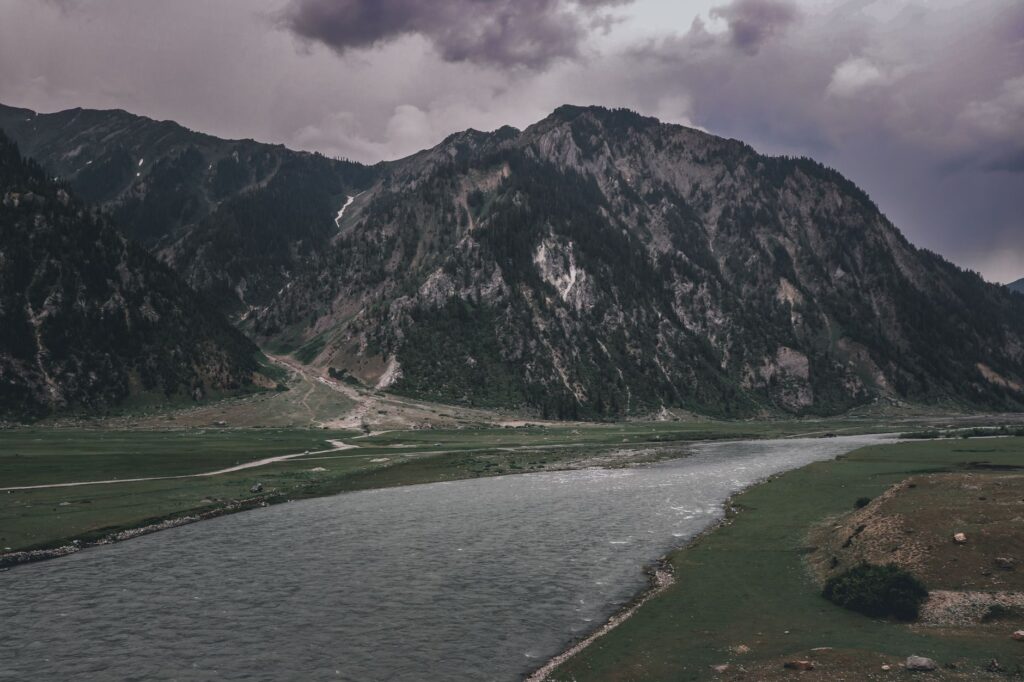
Photo by Tauseef Khaliq on Pexels