Iran Houthis Problem: The Worst Challenge for U.S. Allies
Iran Houthis problem reveals the complexities faced by the U.S. and its allies in the region, highlighting strategic challenges and implications.
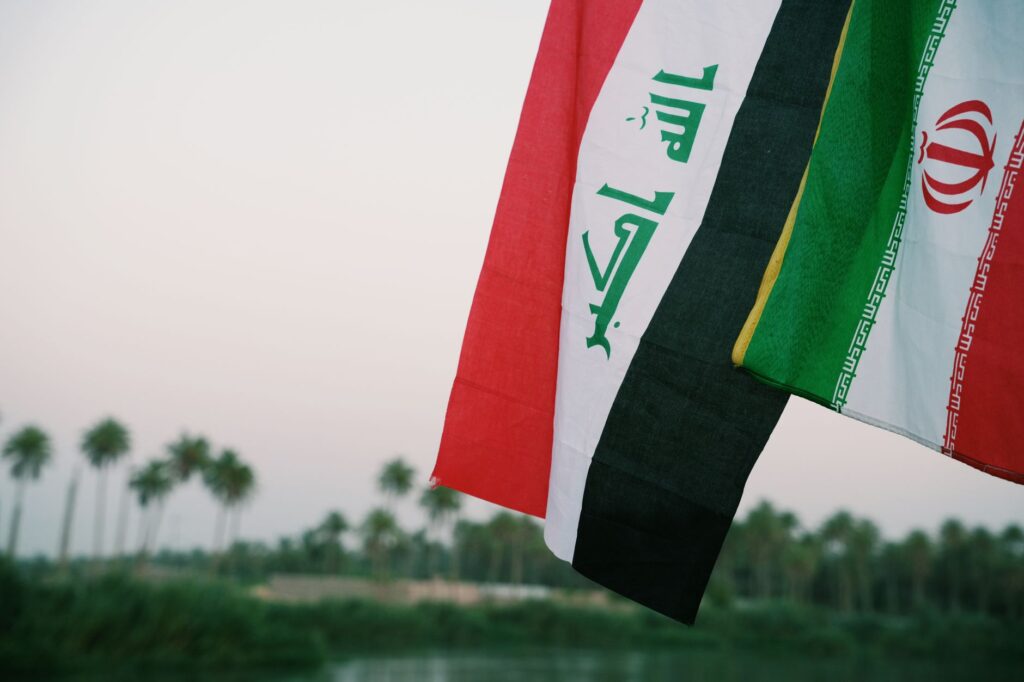
The Iran Houthis problem has become a significant concern for the U.S. and its allies, impacting stability in the Middle East. Understanding this issue is crucial for global security.
Understanding the Iran Houthis Problem
The Iran Houthis problem has emerged as a significant challenge for U.S. allies in the Middle East. The Houthis, a Yemeni militia group, have received substantial support from Iran, which has enabled them to expand their influence and capabilities in the region.
This support manifests in various forms, including:
- Military Aid: Iran provides advanced weaponry and training to the Houthis, enhancing their combat effectiveness.
- Political Backing: Iran has cultivated a political alliance with the Houthis, allowing them to assert greater control in Yemen.
- Regional Destabilization: The Iran Houthis problem contributes to a broader pattern of instability in the Gulf, affecting U.S. interests and regional security.
As the conflict in Yemen continues, the implications of Iranian support for the Houthis pose an ongoing dilemma for U.S. foreign policy and its allies, complicating efforts to achieve peace and stability in the region.
Impact on U.S. Foreign Policy
The Iran Houthis problem poses significant challenges for U.S. foreign policy in the Middle East. As the Houthis, backed by Iran, continue to expand their influence, U.S. allies in the region are left to grapple with the repercussions.
Key impacts on U.S. foreign policy include:
- Increased Military Presence: The U.S. may need to bolster its military presence in the region to deter Houthi aggression and reassure its allies.
- Shifts in Alliances: Countries may reconsider their alliances and partnerships based on perceived threats from the Houthis and Iranian influence.
- Diplomatic Strains: Efforts to negotiate peace and stability could be hindered, complicating relations with both regional and global powers.
Ultimately, addressing the Iran Houthis problem is crucial for maintaining stability and protecting U.S. interests in the volatile landscape of the Middle East.
Iran’s Role in Supporting Houthis
Iran has played a significant role in the ongoing Iran Houthis problem, providing essential support to the Houthi movement in Yemen. This backing has enabled the Houthis to strengthen their military capabilities and assert control over vast territories, complicating the geopolitical landscape in the region.
The Iranian government has supplied the Houthis with various forms of assistance, including:
- Financial support to sustain their operations and governance.
- Military equipment, such as weapons and drones, enhancing their offensive capabilities.
- Training programs aimed at improving the Houthis’ military tactics and strategies.
This support has not only emboldened the Houthis but has also alarmed U.S. allies in the region. As the conflict escalates, Iran’s influence on the Houthis poses a direct challenge to the stability of neighboring countries, further complicating the efforts of the U.S. and its allies to secure peace in Yemen.
Regional Implications of the Conflict
The ongoing Iran Houthis problem has significant regional implications that extend beyond Yemen’s borders. As the Houthis continue to receive support from Iran, they have become a formidable force in the Arabian Peninsula, threatening the stability of neighboring countries.
Several key factors contribute to the escalating tensions:
- Security Concerns: The Houthis’ capability to launch attacks against Saudi Arabia and the UAE raises alarms for regional security, prompting these nations to bolster their defense systems.
- Shifting Alliances: Countries in the region are reevaluating their alliances, with some seeking closer ties with the U.S. while others may lean toward Iran, complicating the geopolitical landscape.
- Economic Impact: The conflict disrupts trade routes and access to crucial resources, affecting not only Yemen but also the broader Gulf economies.
In summary, the Iran Houthis problem poses a multifaceted challenge that could reshape the power dynamics within the region, urging U.S. allies to respond strategically.
Challenges for U.S. Allies
The Iran Houthis problem presents significant challenges for U.S. allies in the Middle East. As the Houthis continue to expand their influence, several key issues arise:
- Increased Militancy: The Houthis’ growing military capabilities, supported by Iran, threaten stability in the region and provoke tensions among neighboring countries.
- Humanitarian Crisis: Ongoing conflict has resulted in severe humanitarian consequences, complicating the efforts of U.S. allies to provide aid and support to affected populations.
- Proxy Warfare: The Houthis serve as a proxy for Iran, creating a complex landscape for U.S. allies who must navigate the risks of direct confrontation.
- Shifting Alliances: The conflict has led to shifting alliances among regional players, making it difficult for U.S. allies to forge stable partnerships.
As these challenges continue to evolve, addressing the Iran Houthis problem remains a top priority for U.S. allies seeking to maintain security and stability in the region.
Potential Solutions to the Crisis
Addressing the Iran Houthis problem requires a multifaceted approach that considers both diplomatic and military dimensions. Several potential solutions have been proposed by analysts and policymakers alike.
- Engagement with Regional Powers: Establishing dialogue with key regional players, including Saudi Arabia and the UAE, may help to create a united front against the Houthis and reduce tensions.
- Humanitarian Aid: Increasing humanitarian assistance to Yemen could alleviate the suffering of civilians and potentially lessen support for the Houthis among the population.
- Diplomatic Pressure: Applying diplomatic pressure on Iran to curtail its support for the Houthis might lead to a decrease in their military capabilities.
- Strengthening Local Governance: Supporting the formation of a stable and inclusive government in Yemen could undermine the Houthis’ appeal and provide a lasting solution to the crisis.
Each of these strategies presents its own challenges, but a combination of these efforts may be necessary to effectively address the Iran Houthis problem and stabilize the region.
Future Outlook for U.S.-Iran Relations
The future outlook for U.S.-Iran relations remains fraught with challenges, particularly in light of the ongoing Iran Houthis problem. As tensions escalate, U.S. allies in the region are increasingly concerned about the implications of Iran’s support for the Houthis and their impact on stability.
Analysts suggest that addressing this issue will require a multifaceted approach. Key considerations include:
- Diplomatic Engagement: Increasing dialogue with Iran to seek a common ground may prove essential.
- Regional Partnerships: Strengthening alliances with Gulf states can help counterbalance Iranian influence.
- Humanitarian Assistance: Supporting those affected by the conflict may reduce the Houthis’ recruitment capabilities.
- Military Readiness: Maintaining a robust military presence in the region could deter further Iranian aggression.
Ultimately, the path forward will require careful navigation of complex geopolitical dynamics, with the Iran Houthis problem remaining a central hurdle for U.S. foreign policy.
Photo by AmirHadi Manavi Moghadam on Pexels