AUV Technology: The Best Proven Innovations in 2023
AUV technology is revolutionizing industries with proven innovations that enhance efficiency and safety.
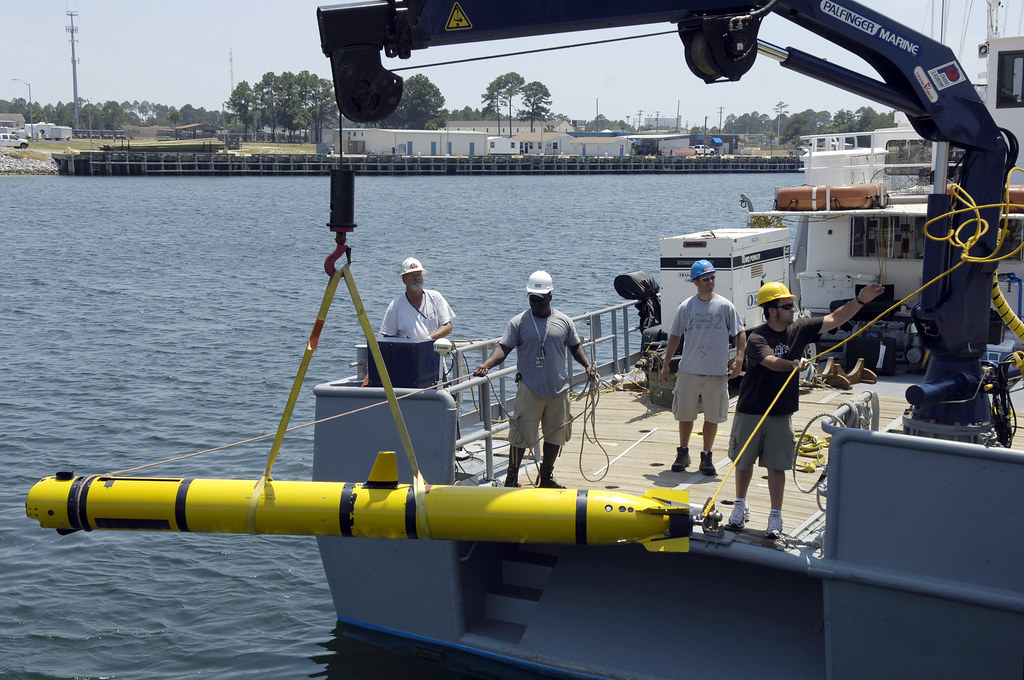
auv technology is transforming various sectors, offering innovative solutions that improve operational efficiency. As advancements continue to emerge, the impact of autonomous underwater vehicles is becoming increasingly significant.
Understanding AUV Technology
AUV technology, or Autonomous Underwater Vehicle technology, has made significant strides in recent years, revolutionizing underwater exploration and research. These innovative vehicles operate without direct human intervention, enabling scientists and researchers to gather data in environments that are often difficult or dangerous for human divers.
One of the key features of AUV technology is its ability to conduct long-duration missions while collecting vast amounts of data. Equipped with advanced sensors and imaging systems, AUVs can map the ocean floor, monitor marine life, and assess environmental changes. This capability has proven invaluable in various fields, including marine biology, oceanography, and environmental monitoring.
In 2023, several breakthroughs in AUV design and functionality have been highlighted:
- Improved Navigation Systems: Enhanced GPS and sonar technologies allow AUVs to navigate complex underwater terrains with greater accuracy.
- Energy Efficiency: New battery technologies have extended the operational range of AUVs, enabling longer missions without the need for frequent recharging.
- Data Processing Capabilities: Onboard processing units now analyze data in real-time, providing immediate insights during missions.
As AUV technology continues to evolve, it promises to unlock new opportunities for understanding our oceans and addressing pressing environmental challenges.
The Impact of AUVs on Marine Research
The integration of AUV technology into marine research has revolutionized how scientists study underwater environments. Autonomous Underwater Vehicles (AUVs) have provided researchers with the ability to explore regions that are difficult or dangerous for human divers to access.
One of the most significant impacts of AUVs is their capacity for data collection. Equipped with advanced sensors, these vehicles can gather a wide range of information, including:
- Water temperature and salinity
- Seafloor mapping
- Biological assessments of marine life
- Chemical composition of water samples
This extensive data collection enhances our understanding of marine ecosystems and supports efforts to monitor environmental changes and impacts. As AUV technology continues to advance, researchers can deploy these vehicles for longer durations and over greater distances, leading to more comprehensive studies.
Moreover, AUVs minimize human risk while maximizing exploration capabilities. With the ability to operate in extreme depths and hazardous conditions, they have become essential tools in oceanography. The insights gained from AUV operations contribute not only to academic research but also to practical applications such as resource management and conservation efforts.
In conclusion, the impact of AUV technology on marine research is profound, paving the way for new discoveries and enhancing our ability to protect and understand our oceans.
Key Innovations in AUV Technology
The advancements in AUV technology have significantly transformed marine exploration and research in 2023. Some of the most notable innovations include:
- Enhanced Autonomy: AUVs are now equipped with advanced algorithms that allow for greater decision-making capabilities without human intervention. This results in more efficient data collection and reduced operational costs.
- Improved Sensor Integration: The integration of cutting-edge sensors, including acoustic and optical devices, has enhanced the ability of AUVs to gather detailed environmental data. This data is crucial for understanding marine ecosystems.
- Real-time Data Processing: With advancements in onboard computing power, AUVs can process data in real time, enabling immediate analysis and quicker responses during missions.
- Increased Range and Endurance: New battery technologies have extended the operational range and endurance of AUVs, allowing them to cover larger areas of ocean while conducting long-duration missions.
- Swarm Technology: The development of swarm technology enables multiple AUVs to work together seamlessly. This collaborative approach enhances efficiency and the quality of data collected.
These key innovations in AUV technology not only enhance the capabilities of marine research but also pave the way for future developments that can further unlock the mysteries of the ocean.
Challenges Facing AUV Development
The development of autonomous underwater vehicles (AUVs) has brought significant advancements to marine research and exploration. However, there are several challenges facing AUV technology that must be addressed to enhance its efficacy and reliability.
One of the primary challenges is sensing technology. AUVs rely on sophisticated sensors to gather data, but limitations in sensor accuracy and range can hinder their performance in complex underwater environments. Additionally, communication remains a critical issue; AUVs often operate in remote areas where traditional communication methods are ineffective, making real-time data transmission difficult.
Another major challenge is energy efficiency. AUVs require significant power to operate, and current battery technologies may not support extended missions, limiting their operational range. Researchers are exploring alternative energy sources, such as fuel cells and advanced battery systems, to overcome this limitation.
Moreover, navigation remains a persistent challenge. Underwater navigation is complicated by factors like ocean currents and varying water densities, which can affect the accuracy of positioning systems. Overcoming these navigation challenges is vital for the successful deployment of AUVs in research missions.
Finally, cost is a critical factor in AUV development. The high cost of manufacturing and maintaining these vehicles can restrict their availability for research institutions and smaller organizations.
The Future of AUV Applications
The future of AUV applications is poised to transform various industries significantly, driven by advancements in auv technology. As we look ahead, several key areas are emerging where AUVs are likely to make a substantial impact.
One of the most promising applications is in environmental monitoring. AUVs equipped with advanced sensors can collect real-time data on ocean health, including temperature changes and pollution levels. This information is crucial for scientists and policymakers to combat climate change effectively.
Another exciting area is underwater infrastructure inspection. AUVs can navigate complex underwater environments to assess the condition of pipelines, bridges, and other structures, reducing the need for costly human diver interventions.
Moreover, the military sector is increasingly adopting AUV technology for reconnaissance and surveillance missions. These unmanned vehicles can operate in hazardous environments, providing critical intelligence while keeping personnel safe.
In addition to these applications, AUVs are expected to play a vital role in marine tourism. By offering guided underwater excursions, AUVs can enhance the experience for tourists while minimizing human impact on fragile marine ecosystems.
As innovations continue to unfold, the versatility of AUVs will enable them to serve in various sectors, making them indispensable tools for the future.
How AUVs Enhance Underwater Exploration
AUVs, or Autonomous Underwater Vehicles, have revolutionized the way researchers explore and understand the underwater world. By leveraging advanced auv technology, these vehicles can operate independently, collecting valuable data from depths that are often inaccessible to traditional manned submersibles.
One of the primary advantages of AUVs is their ability to cover vast areas of ocean with precision and efficiency. Equipped with state-of-the-art sensors and imaging technology, they can gather high-resolution data on underwater topography, biological diversity, and environmental conditions. This capability is crucial for scientists studying marine ecosystems and the impacts of climate change.
Additionally, AUVs enhance underwater exploration through:
- Improved Mapping: AUVs can create detailed maps of the seafloor, revealing underwater features that were previously unknown.
- Reduced Human Risk: By operating in hazardous environments, AUVs minimize the risks associated with human divers and traditional exploration methods.
- Extended Operational Duration: These vehicles can remain submerged for extended periods, allowing for continuous data collection without the need for frequent recovery.
As AUV technology continues to advance, the potential for these vehicles to uncover new insights into our oceans only grows, making them indispensable tools for future marine research and exploration initiatives.
Real-World Uses of AUV Technology
AUV technology has made significant strides in various industries, demonstrating its versatility and effectiveness in real-world applications. One of the most prominent uses of autonomous underwater vehicles is in marine research. Scientists utilize AUVs to collect data on oceanography, marine biology, and environmental monitoring, allowing for more precise and efficient research methods.
In the energy sector, AUV technology plays a crucial role in inspecting underwater oil and gas infrastructure. These vehicles can navigate complex underwater environments to perform tasks such as pipeline inspections and environmental assessments, significantly reducing the risks associated with human divers in hazardous conditions.
Another vital application lies in the field of defense. Navies around the world employ AUVs for surveillance, reconnaissance, and mine detection. These missions are often carried out in areas that are too dangerous for manned vessels, showcasing the strategic advantage that AUVs provide.
Moreover, AUV technology is increasingly utilized in underwater archaeology. Researchers deploy autonomous vehicles to explore shipwrecks and submerged ruins, enabling them to gather data without disturbing delicate sites.
Lastly, environmental conservation efforts benefit from AUVs as they help monitor marine ecosystems and track changes in biodiversity. This capability aids in formulating strategies to protect vulnerable marine habitats.
Overall, the real-world uses of AUV technology highlight its importance across various fields, paving the way for future advancements and applications.
The Role of AUVs in Environmental Monitoring
AUV technology plays a critical role in environmental monitoring, providing scientists and researchers with the tools necessary to assess and protect marine ecosystems. Autonomous Underwater Vehicles (AUVs) are equipped with advanced sensors and imaging systems that allow for detailed data collection in various underwater environments.
One of the primary applications of AUVs in environmental monitoring includes:
- Water Quality Assessment: AUVs can measure parameters such as temperature, salinity, and dissolved oxygen levels, helping to identify areas affected by pollution or harmful algal blooms.
- Habitat Mapping: These vehicles are capable of generating high-resolution maps of seabed habitats, which are essential for conservation efforts and understanding biodiversity.
- Species Monitoring: AUVs equipped with imaging technology can capture footage and data on marine life, providing insights into species distribution and behavior.
- Climate Change Studies: By monitoring oceanic conditions over time, AUVs contribute valuable information to climate change research, highlighting trends and changes in marine environments.
Furthermore, AUV technology enhances the ability to conduct long-duration surveys in remote areas, minimizing human impact on sensitive ecosystems. As environmental challenges continue to grow, the role of AUVs in monitoring and protecting our oceans becomes increasingly vital, proving to be an indispensable asset in the pursuit of sustainability.
By Marion Doss via Openverse