
Eritreans Migrant Return Policy: The Worst Consequences Explained
Eritreans migrant return policy raises concerns about potential UK bans.
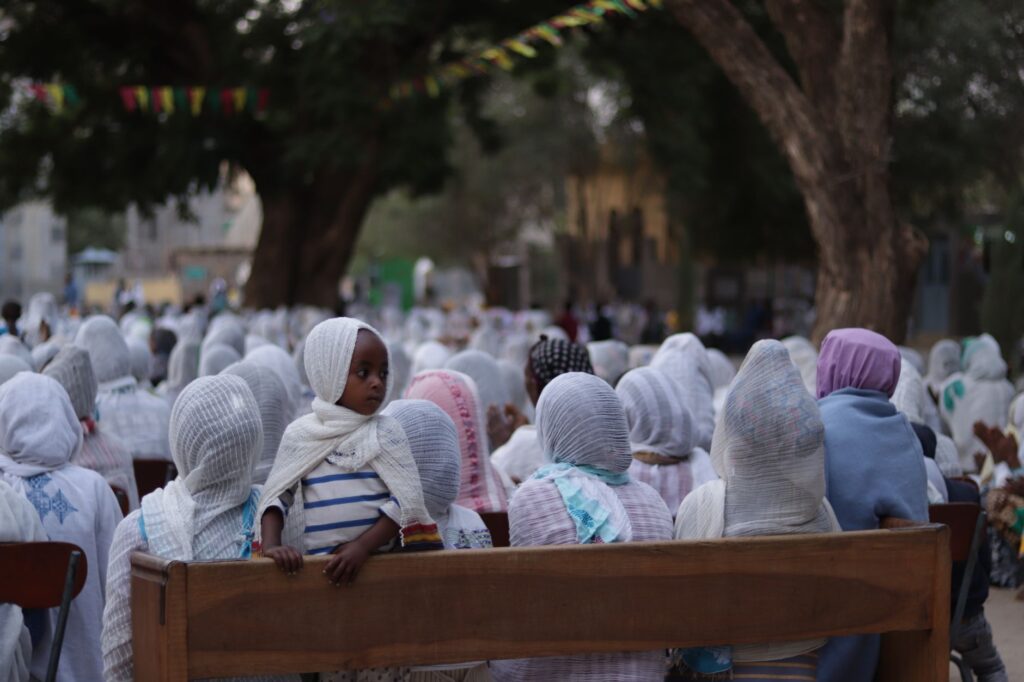
Eritreans migrant return policy is at the center of a UK government threat to impose bans. This controversial decision has sparked debates about human rights and international obligations.
Overview of the Policy
The Eritreans migrant return policy has sparked significant controversy and debate among human rights organizations and governments alike. This policy, which aims to facilitate the return of Eritrean migrants to their home country, is rooted in the broader context of migration management and international relations.
Critics argue that the policy poses severe risks to the safety and wellbeing of returnees. Many Eritreans flee their country due to oppressive regimes, forced military service, and severe human rights violations. Consequently, the prospect of returning under current political circumstances raises alarms among humanitarian advocates.
Several key points highlight the concerns surrounding the Eritreans migrant return policy:
- Human Rights Violations: Eritrea has been criticized for its poor human rights record, which continues to be a driving force behind the migration of its citizens.
- Safety Risks: Returnees may face persecution, imprisonment, or even torture upon their return, leading to fears of retribution.
- International Backlash: Countries like the UK have threatened to impose bans on Eritreans as a response to the return policy, creating further complications for diplomatic relations.
As the situation evolves, the implications of the Eritreans migrant return policy remain a pressing issue for both the migrants affected and the governments involved in enforcing these measures.
Implications for Eritrean Migrants
The implications for Eritrean migrants regarding the new return policy are profound and troubling. As many Eritreans face dire circumstances in their home country, the prospect of returning under this policy raises significant concerns about their safety and well-being.
One of the most pressing issues is the potential for increased human rights violations in Eritrea. Reports indicate that those who return may be subjected to:
- Arrest and Detention: Many returnees could face immediate imprisonment based on their previous migration attempts.
- Forced Conscription: Eritrea has a policy of indefinite military service, which could see returnees compelled to serve in the military against their will.
- Persecution: Individuals who fled due to political dissent or ethnic minority status may experience targeted violence upon return.
Additionally, the psychological impact of forced return cannot be overlooked. Many Eritrean migrants have endured traumatic experiences during their journey, and the thought of being sent back brings about:
- Fear and Anxiety: The uncertainty of what awaits them can lead to severe mental health issues.
- Loss of Hope: Many who sought refuge abroad may feel their dreams of a better life are shattered.
Ultimately, the Eritreans migrant return policy poses serious risks, threatening to undo the progress many have made in seeking safety and stability.
Human Rights Concerns
The Eritreans migrant return policy has raised significant human rights concerns among international observers and humanitarian organizations. Critics argue that the policy could lead to serious violations of the rights of Eritrean migrants, particularly those who flee their home country due to oppressive conditions.
Human rights advocates highlight several key issues related to the policy:
- Risk of Persecution: Many Eritreans escape their country to avoid persecution, forced conscription, and human rights abuses. Returning them could subject them to further violations.
- Lack of Asylum Opportunities: The policy undermines the right to seek asylum, forcing migrants to return to potentially dangerous situations without adequate legal protection.
- Separation from Families: The return policy may lead to family separations, with individuals who have built lives in host countries being forcibly removed.
- Psychological Impact: The threat of deportation can cause severe anxiety and distress among Eritrean migrants, impacting their mental health and overall well-being.
Moreover, the international community, including the United Nations, has called on countries implementing such policies to reconsider their approach. They emphasize the importance of prioritizing the safety and dignity of migrants, rather than adhering to policies that may jeopardize their human rights.
Responses from Eritrean Community
The Eritrean community has expressed deep concern regarding the government’s migrant return policy. Many community members fear this policy could lead to increased persecution for those who are returned. The anxiety stems from reports of harsh living conditions and human rights abuses in Eritrea, which many migrants fled to escape.
In a recent community gathering, several Eritreans voiced their apprehensions. One community leader stated, “We are worried that this policy will endanger the lives of our family members still in Eritrea.” The sentiment of fear and uncertainty is palpable among those who have sought refuge abroad.
Furthermore, a survey conducted within the community revealed that:
- 65% of respondents believe the policy will deter future migrants from seeking safety in the UK.
- 72% expressed concerns about potential repercussions for returnees.
- 80% stated that the Eritrean government is not a safe environment for return.
Activists are calling on international organizations to intervene and reassess the implications of the Eritreans migrant return policy. “We cannot stand by while our brothers and sisters face the threat of violence and oppression,” stated one activist. The community continues to rally for support, hoping to raise awareness about the dire consequences of such policies.
International Reactions
International reactions to the Eritreans migrant return policy have been swift and varied, reflecting deep concerns over human rights and humanitarian implications. Several countries and organizations have voiced their opposition, emphasizing the potential risks faced by returnees.
In a recent statement, the United Nations High Commissioner for Refugees expressed alarm over the policy, stating that it could lead to severe repercussions for Eritreans who are forcibly returned to their homeland. The UNHCR highlighted reports of persecution and detention faced by individuals who previously fled the country.
The European Union has also raised significant concerns, indicating that such policies could violate international law. An EU representative noted that cooperation with Eritrean authorities must be contingent upon the assurance of safety and respect for human rights.
In light of these developments, the UK has taken a strong stance, threatening to ban Eritreans from seeking asylum if the return policy remains in place. This decision has sparked a heated debate within the UK government, with various parties advocating for a reconsideration of the policy to better protect vulnerable populations.
Many human rights organizations have called for a unified response to the Eritreans migrant return policy, urging governments worldwide to prioritize the safety and dignity of those affected.
Political Landscape in the UK
The political landscape in the UK has become increasingly complex as the government grapples with its controversial Eritreans migrant return policy. This policy, aimed at deporting Eritrean nationals, has not only drawn criticism from human rights organizations but also sparked a broader debate within various political factions.
Members of the opposition have voiced their concerns, highlighting the potential repercussions this policy could have on the already vulnerable Eritrean community in the UK. Labour Party leaders have called for a reassessment, arguing that the return policy effectively disregards the dire human rights situation in Eritrea.
In contrast, some factions within the ruling party support the policy as a means to address immigration concerns. They argue that a firm stance is necessary to maintain public confidence in the immigration system. This has led to a division among political leaders, with some advocating for more compassion and understanding towards migrants fleeing oppressive regimes.
The Home Office has defended its position, stating that the return policy aligns with international agreements and should be enforced. However, growing unrest among the public and protests organized by the Eritrean community have put pressure on the government to reconsider its approach.
As the situation evolves, it remains to be seen how the political dynamics will shift in response to both domestic and international pressures surrounding the Eritreans migrant return policy.
Future of Migration Policies
The future of migration policies, particularly concerning the Eritreans migrant return policy, remains uncertain as various stakeholders voice their concerns. The UK government’s current stance has raised alarms not only among Eritrean communities but also among human rights advocates globally.
As the situation evolves, several potential outcomes could shape the future of these policies:
- Increased Pressure for Reform: Advocacy groups are likely to intensify their efforts to reform the return policy, emphasizing the need for humane treatment of migrants.
- Potential Legal Challenges: The implementation of the Eritreans migrant return policy may face legal scrutiny, with potential challenges based on international law and human rights violations.
- Shift in Political Sentiment: As public awareness grows, there could be a shift in political sentiment, compelling lawmakers to reconsider harsh measures against Eritrean migrants.
- Collaborative Solutions: Future policies may involve collaboration with international organizations to ensure safe and voluntary returns that respect the dignity of migrants.
Ultimately, the trajectory of migration policies will depend on the ongoing dialogue among governments, civil society, and international bodies. The consequences of the Eritreans migrant return policy will continue to resonate, influencing the lives of countless individuals who seek safety and stability.
Photo by Estella on Pexels