Human Brain Discovery: Proven Insights into Its Structure
Human brain discovery reveals groundbreaking insights into its structure and function. Explore the latest findings from Stanford scientists.
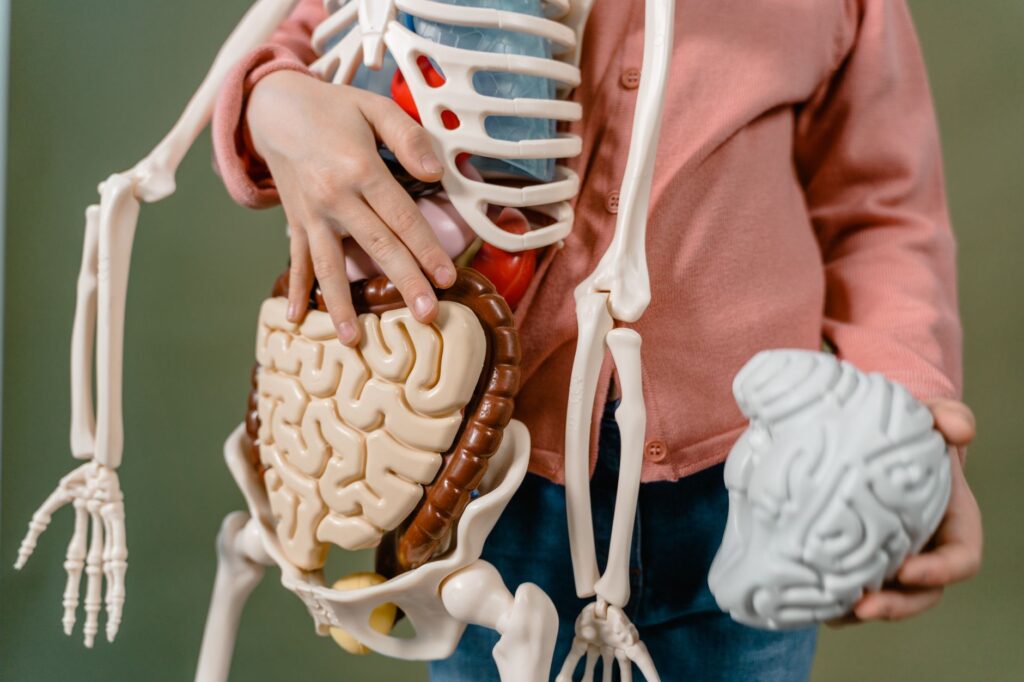
The human brain discovery by Stanford scientists suggests that the brain may actually be two separate organs, challenging long-held beliefs about its structure.
What the Discovery Means for Neuroscience
The recent discovery by Stanford scientists that the human brain may actually be two separate organs has profound implications for the field of neuroscience. This groundbreaking finding challenges long-held beliefs about the brain’s structure and function, suggesting a more complex interplay between its components than previously understood.
Understanding the human brain as potentially two distinct entities opens new avenues for research and treatment. The implications of this discovery could lead to:
- Improved Diagnosis: Clinicians may refine their approaches to diagnosing neurological disorders by considering the separate functionalities of each brain segment.
- Targeted Therapies: Tailored treatments that specifically address the unique characteristics of each organ could enhance recovery outcomes for patients suffering from brain injuries or diseases.
- Enhanced Cognitive Research: Neuroscientists can develop more precise models of cognitive processes by studying the distinct roles of each organ, leading to deeper insights into human behavior.
This human brain discovery not only reshapes our understanding of brain anatomy but also paves the way for significant advancements in neuroscience, potentially transforming how we approach mental health and cognitive enhancement in the future.
How the Brain’s Structure is Changing Our Understanding
The recent human brain discovery by Stanford scientists has unveiled groundbreaking insights into the structure of our most complex organ. This revelation challenges long-held assumptions about the brain’s anatomy, suggesting that it may be divided into two distinct organs that function independently yet collaboratively.
Researchers have observed that this dual structure could explain various neurological conditions that have puzzled scientists for years. Understanding the brain’s organization is crucial for developing targeted treatments and therapies. As the study progresses, several implications become apparent:
- Enhanced diagnostic techniques: A clearer understanding of the brain’s structure may lead to improved methods for diagnosing neurological disorders.
- Tailored therapies: This discovery could pave the way for personalized medicine, allowing treatments to be customized based on the specific organ affected.
- New research avenues: The findings open up numerous paths for future studies, encouraging scientists to explore the intricacies of brain function.
As researchers delve deeper into this human brain discovery, the potential for innovation in neuroscience grows, promising a future where brain-related ailments can be understood and potentially cured more effectively.
Implications of the Human Brain Discovery
The recent human brain discovery has significant implications for various fields, particularly in medicine and psychology. Understanding that the brain may function as two separate organs opens new avenues for research and therapeutic approaches.
One of the most promising implications is in the treatment of neurological disorders. By recognizing the distinct functionalities of each part of the brain, scientists can develop targeted therapies that address specific conditions, such as:
- Epilepsy: Tailoring treatments to the distinct regions involved in seizure activity.
- Parkinson’s Disease: Focusing on interventions that can improve motor function by addressing specific brain areas.
- Depression: Understanding the emotional processing centers could lead to better mental health therapies.
Moreover, this discovery influences how we perceive cognitive functions and learning processes. With a clearer picture of the brain’s structure, educators and psychologists can refine strategies that enhance learning and memory retention. For instance, understanding how different brain regions interact during learning may revolutionize educational methodologies.
In summary, the human brain discovery not only reshapes our understanding of brain function but also promises advancements that could improve the quality of life for many individuals affected by neurological and psychological conditions.
Key Findings from Stanford’s Research
Stanford researchers have unveiled groundbreaking insights into the human brain, revealing that it may function as two distinct organs rather than a singular entity. This significant human brain discovery has prompted a reevaluation of existing neurological models.
Key findings from the research include:
- Structural Division: The study indicates that the brain’s hemispheres operate independently in many cognitive tasks, suggesting a separation in functionality.
- Information Processing: Each hemisphere has unique ways of processing information, which can lead to different responses in situations that require emotional or logical reasoning.
- Impacts on Treatment: Understanding the brain as two separate organs may open new avenues for treating neurological disorders, as therapies could be tailored to target specific hemispheres.
- Enhanced Communication: The research emphasizes the role of the corpus callosum, the structure connecting the two hemispheres, in facilitating communication and coordination between them.
This human brain discovery has far-reaching implications, not only for neuroscience but also for psychology and cognitive science, as it challenges traditional views and encourages further exploration into the complexities of brain function.
Expert Opinions on the Brain’s Dual Nature
Experts in neuroscience are weighing in on the recent human brain discovery that suggests the brain may actually function as two distinct organs. Dr. Emily Tran, a neurobiologist at Stanford University, expressed her astonishment at the findings, stating, “This challenges decades of what we thought we knew about brain function and structure.” She emphasized that understanding the brain’s dual nature could lead to significant advancements in treating neurological disorders.
Another prominent neuroscientist, Dr. James Lee, highlighted the implications of this discovery on cognitive research. He noted, “If the brain operates as two separate entities, we may need to rethink how we approach therapies for conditions like Alzheimer’s and schizophrenia.” This perspective aligns with the prevailing notion that brain functions are more complex than previously assumed.
Moreover, Dr. Sarah Gomez, a cognitive psychologist, pointed out the importance of interdisciplinary collaboration. “The human brain discovery serves as a reminder that neuroscience is evolving, and we must integrate insights from various fields to grasp the full picture,” she stated. As researchers continue to explore the intricate workings of the brain, the potential for groundbreaking therapies and enhanced understanding of human cognition becomes increasingly probable.
Future Research Directions in Brain Studies
As researchers continue to explore the implications of the recent human brain discovery, several exciting future research directions are emerging. Scientists are eager to delve deeper into the brain’s dual structure, which may redefine our understanding of cognitive functions.
Future studies may focus on:
- Functional Specialization: Investigating how the distinct regions of the brain operate independently and how they communicate with each other.
- Neuroplasticity: Examining the brain’s ability to adapt and reorganize itself in response to experiences, injury, or changes in environment.
- Brain-Body Connection: Understanding how the brain interacts with other organs and systems, influencing overall health and behavior.
- Impact on Mental Health: Exploring the implications of the brain’s structure on mental health disorders, potentially leading to more targeted treatments.
- Technological Integration: Utilizing advanced imaging techniques to visualize brain activity in real-time, enhancing our comprehension of its functions.
These directions not only promise to shed light on the complexities of the human brain but also hold the potential to transform therapeutic approaches in neuroscience, making the human brain discovery a pivotal moment in scientific research.
Conclusion: The Impact of This Discovery
In conclusion, the recent human brain discovery has profound implications not only for the field of neuroscience but also for our understanding of human cognition and behavior. By revealing that the brain may function as two distinct organs, researchers have opened new pathways for exploring the complexities of brain health and dysfunction.
This groundbreaking revelation will likely lead to a reevaluation of existing theories about brain processes and how they relate to various neurological conditions. With this newfound perspective, scientists are better equipped to develop targeted treatments that address specific areas of brain function, potentially transforming therapies for disorders such as Alzheimer’s and schizophrenia.
Moreover, the insights gained from this research could inspire innovative approaches to education and cognitive enhancement. By understanding how these two systems interact, we may uncover strategies to optimize learning and memory.
As we move forward, the focus will undoubtedly shift towards further investigation of the brain’s structural and functional dichotomy. Ongoing studies will be essential for validating these findings and determining their wider applications. In summary, the impact of this discovery is poised to reshape our comprehension of the brain, fostering advancements that may benefit individuals and society as a whole.
Photo by MART PRODUCTION on Pexels