
New Mexico rename: The Wrong Move for America
New Mexico rename has sparked controversy as Trump suggests a new identity for the state. Discover the implications of this proposal.
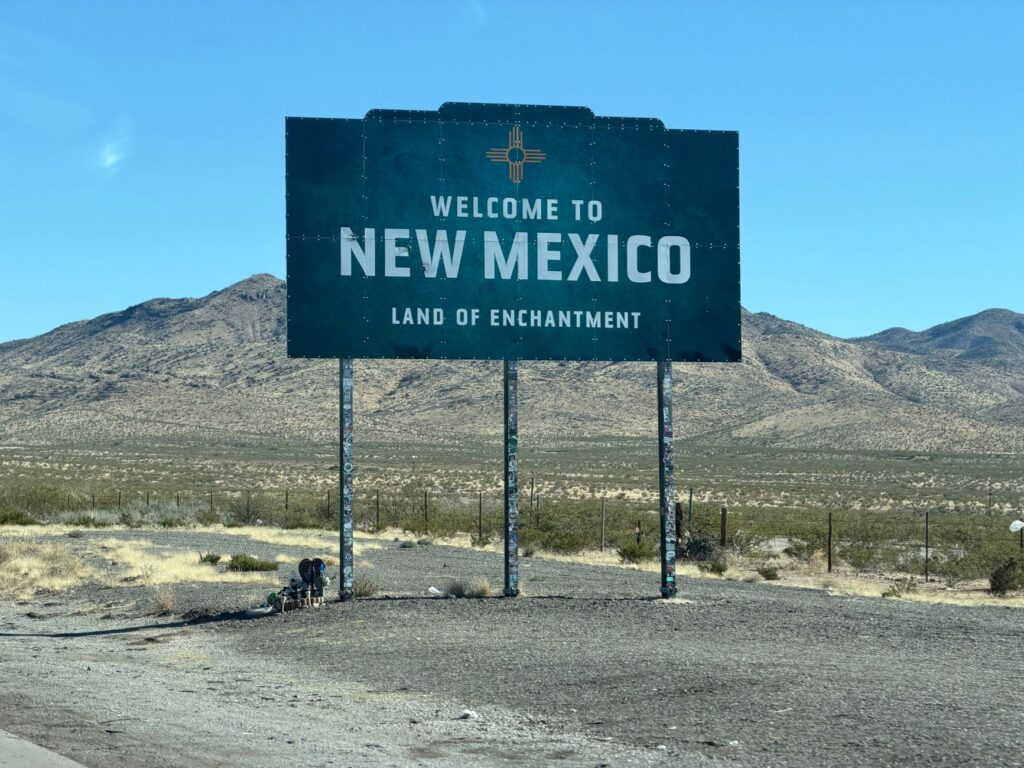
New Mexico rename has become a hot topic after Trump posted a map suggesting the state be called ‘New America’. This proposal has drawn mixed reactions from the public and political figures alike.
What prompted the New Mexico rename proposal?
The recent proposal for a New Mexico rename was ignited by a controversial map shared by former President Donald Trump. The map suggested that the state be rebranded as “New America,” sparking widespread debate across the nation.
Supporters of the rename argue that it could foster a sense of unity and belonging, aligning with a more national identity. They believe that such a change might help to shed historical baggage associated with the state’s current name. However, many residents and historians see this as a misguided move.
Opponents of the New Mexico rename emphasize the importance of preserving cultural heritage and local identity. They argue that the state’s name reflects its rich history and diverse population, which should be celebrated rather than erased. Additionally, concerns have been raised about the implications of such a change for tourism and local pride.
As discussions continue, the proposal has highlighted deep divisions in how Americans view the relationship between history, identity, and the future of the nation.
Public reactions to Trump’s suggestion
Public reactions to the recent suggestion by former President Trump to rename New Mexico as “New America” have been overwhelmingly critical. Many residents and local leaders express concern over the implications of such a change.
- Historical Significance: Many argue that the name “New Mexico” is steeped in history and represents the rich cultural heritage of the state.
- Identity and Pride: Local citizens feel a strong connection to the name, highlighting that it embodies their identity and pride.
- Political Motivation: Critics suggest that the proposal is politically motivated, aimed at reshaping narratives rather than genuinely reflecting the state’s values.
In a recent poll, a significant majority of respondents opposed the New Mexico rename, emphasizing the desire to maintain tradition over political whims. As discussions continue, many wonder what the future holds for the state’s identity amidst such controversial proposals.
Political implications of renaming New Mexico
The proposal to rename New Mexico has sparked significant political debate, raising questions about national identity and regional representation. Critics argue that the New Mexico rename initiative reflects a broader trend of disregarding historical context in favor of political motivations. They contend that such a change could alienate residents who take pride in their state’s rich cultural heritage.
Supporters of the rename argue that it symbolizes a fresh start or a new direction for the state. However, this perspective overlooks the deep connections many residents have with the name and its historical significance. The implications of this renaming extend beyond state lines, potentially affecting how other states view their own identities and histories.
Additionally, the timing of the proposal, tied to political figures like Trump, raises concerns about the influence of partisan politics on cultural matters. As discussions continue, it remains crucial to consider the voices of those most affected by the New Mexico rename debate, ensuring that their perspectives are not overshadowed by political agendas.
Comparisons to past state name changes
The recent proposal for a New Mexico rename has drawn comparisons to other state name changes throughout American history. While some of these changes were driven by a desire to reflect more inclusive values or historical accuracy, others were born from political maneuvering and shifting ideologies. For instance, the renaming of several states and cities in the 20th century aimed to honor Indigenous peoples or commemorate significant historical events.
However, the New Mexico rename initiative stands apart, as it is largely perceived as a response to contemporary political sentiments rather than a genuine reflection of the state’s cultural identity. Critics argue that such moves often overlook the rich heritage and meaning embedded in the original names.
Additionally, the history of name changes is often fraught with controversy, as local populations may feel disenfranchised or marginalized by decisions made at the national level. As the discussion continues, it raises essential questions about identity, representation, and the true intent behind the New Mexico rename proposal.
Expert opinions on state identity
Experts across various fields have weighed in on the debate surrounding the New Mexico rename proposal, highlighting the potential impacts on state identity and cultural heritage. Dr. Maria Lopez, a historian specializing in Southwestern U.S. culture, argues that renaming the state could alienate its rich history. “New Mexico is a name steeped in tradition, representing a unique blend of Indigenous, Spanish, and American influences,” she stated.
Similarly, Professor James Carter, a political scientist, emphasized that the New Mexico rename could lead to confusion and division. “Changing a state’s name is not just a matter of branding; it affects the identity of its people,” he noted.
Additionally, Linda Torres, a sociologist, expressed concern over the implications for community cohesion. “Names carry meaning, and a shift away from ‘New Mexico’ could undermine the pride and unity among its residents,” she explained.
As the debate continues, it remains clear that a potential New Mexico rename has sparked significant concern among those who value the state’s unique identity.
The future of New Mexico’s name
The future of New Mexico’s name has become a contentious topic in political discourse. As discussions surrounding the New Mexico rename gain momentum, many are questioning the implications such a change would have on the state’s identity and heritage. Critics argue that renaming New Mexico would erase a rich cultural history that has been shaped by Indigenous peoples, Spanish settlers, and diverse communities over centuries.
Supporters of the rename proposal suggest that a new name could symbolize a fresh start or a more united identity. However, many residents express deep concern that this move could lead to further division rather than unity.
Polling data indicates that a significant portion of the population remains opposed to the New Mexico rename, valuing the historical significance of the current name. In the end, the decision to rename New Mexico will likely reflect broader societal values and the ongoing struggle between tradition and modernization.
Ultimately, the future of New Mexico’s name may set a precedent for how we approach state identities across the nation.
Photo by B. Kane on Pexels