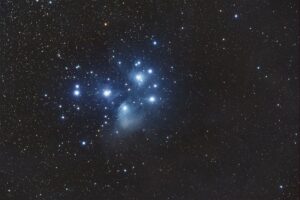
Pleiades Star Cluster: What Makes It the Best Celestial Sight?
Pleiades star cluster offers a stunning view in the sky today. Discover its beauty and significance in astronomy.
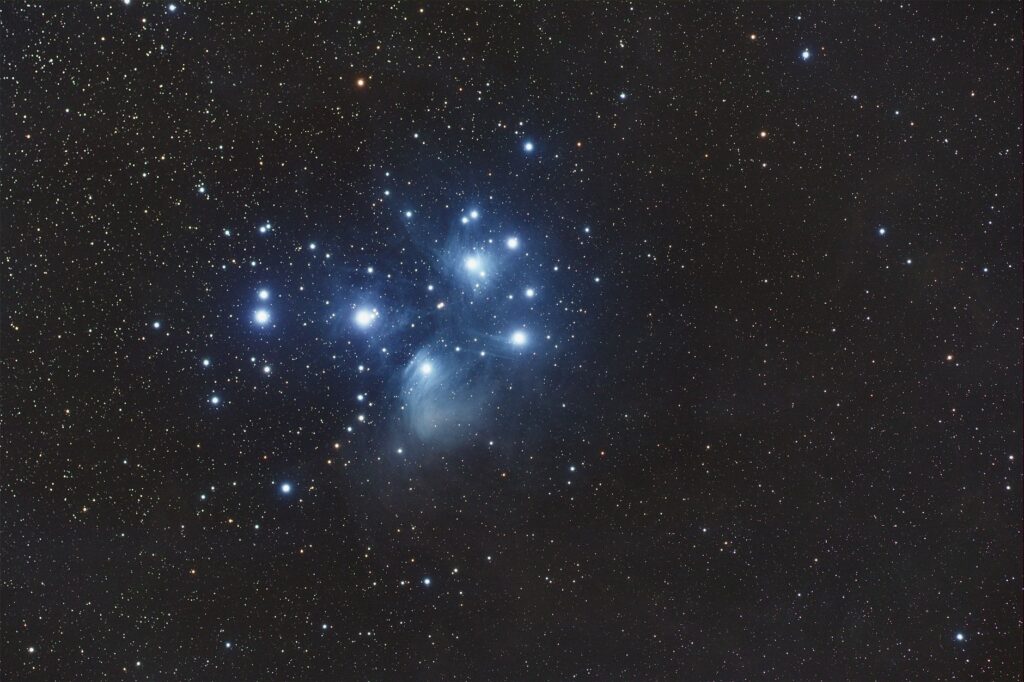
Pleiades star cluster is a breathtaking sight in the night sky. On Tuesday, November 17, astronomy enthusiasts can enjoy a special spotlight on this celestial wonder.
What is the Pleiades Star Cluster?
The Pleiades star cluster, also known as the Seven Sisters, is a prominent open star cluster located in the constellation Taurus. It consists of several hundred stars, with the brightest seven easily visible to the naked eye. This cluster is approximately 444 light-years away from Earth and is one of the nearest star clusters to our planet.
The Pleiades is not only significant for its beauty but also for its cultural importance across various civilizations. Many ancient cultures, including the Greeks and Native Americans, have used the cluster for navigation and agricultural calendars.
Additionally, the cluster is surrounded by a faint reflection nebula, giving it a distinctive blue hue. Observing the Pleiades star cluster can be a breathtaking experience, making it a favorite among amateur and professional astronomers alike.
Why is the Pleiades Significant in Astronomy?
The Pleiades star cluster holds significant importance in astronomy for several reasons. First, it is one of the nearest star clusters to Earth, located approximately 444 light-years away. This proximity allows astronomers to study its stars in detail, providing insights into stellar formation and evolution.
Additionally, the Pleiades is composed of young, hot blue stars, making it a prime example of an open cluster. Its members share a common origin, which further aids scientists in understanding how stars are born and how they interact with their environment.
Furthermore, the cluster has cultural significance across various civilizations, often referred to in mythology and folklore. Observing the Pleiades can inspire both amateur and professional astronomers, showcasing the beauty and complexity of our universe.
How to Observe the Pleiades Tonight?
Observing the Pleiades star cluster tonight is a captivating experience that can be easily enjoyed from most locations. To make the most of your viewing, consider the following tips:
- Find a Dark Location: Escape city lights to enhance visibility and appreciate the cluster’s beauty.
- Best Viewing Time: Aim to observe after sunset but before moonrise for optimal darkness.
- Use Binoculars or a Telescope: While the Pleiades is visible to the naked eye, binoculars or a small telescope will reveal more stars and details.
- Look for the “Seven Sisters”: The cluster is commonly known for its seven brightest stars, which are particularly striking.
By following these tips, you can enjoy one of the best celestial sights, the Pleiades star cluster, in all its glory.
History and Myths Surrounding the Pleiades
The Pleiades star cluster, also known as the Seven Sisters, has captivated humanity for millennia, inspiring numerous myths and legends across various cultures. In Greek mythology, the Pleiades were the seven daughters of Atlas, transformed into stars to escape the pursuit of Orion. Similarly, many Native American tribes regarded the cluster as a significant guide for planting and harvesting seasons.
In Japan, the Pleiades are known as Subaru, which translates to “unite,” symbolizing the merging of stars. Each culture’s interpretation reflects a profound connection to the heavens.
Despite its ancient roots, the Pleiades continues to inspire wonder, reminding us of our shared heritage as we gaze into the night sky. Whether through stories or modern astronomy, the Pleiades star cluster remains an enduring symbol of celestial beauty.
Upcoming Astronomical Events to Watch
As stargazers look forward to an exciting astronomical season, several upcoming events will enhance the visibility of the Pleiades star cluster. Here are some noteworthy occurrences to mark on your calendar:
- November 18: The Leonid meteor shower peaks, providing a stunning backdrop to the Pleiades.
- December 14: The Geminid meteor shower reaches its peak, offering another chance to enjoy the cluster while shooting stars grace the sky.
- January 1: A New Year’s view of the Pleiades will be spectacular as it rises prominently in the night sky.
Keep your telescope ready, as these events will showcase the Pleiades star cluster in all its glory, making for an unforgettable celestial experience.
Photo by Olivier Brinkman on Pexels