
Russia sanctions waiver: Is it the right move for Trump?
Russia sanctions waiver has raised questions about Trump’s decision. What are the implications for national interests?
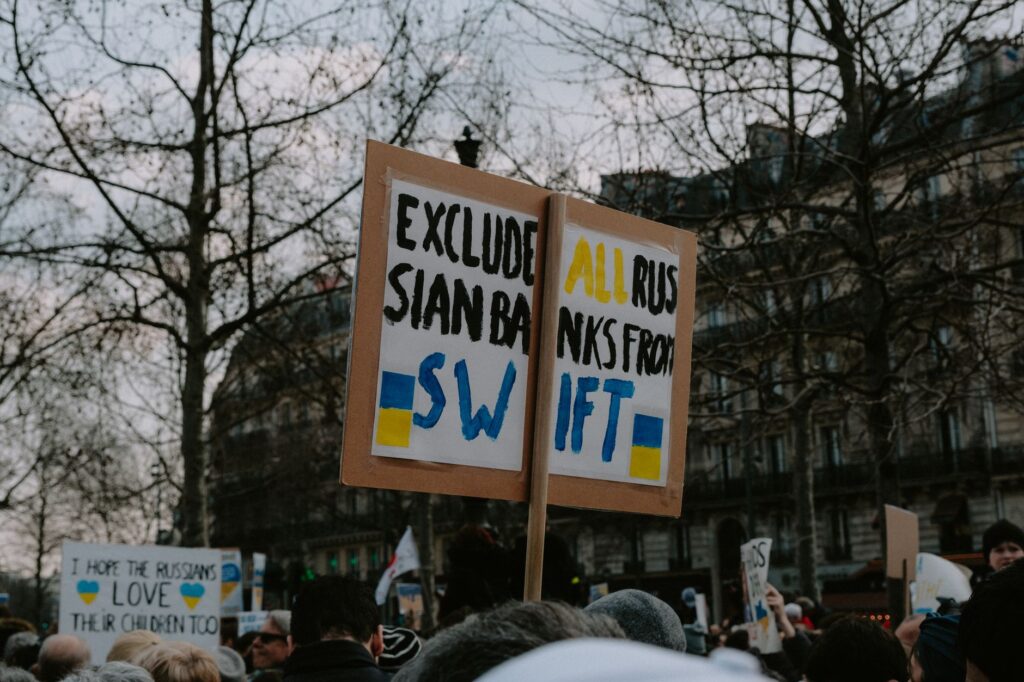
Russia sanctions waiver has become a controversial topic as Trump prioritizes national interests over punitive measures. This decision could have far-reaching consequences.
Understanding the Russia sanctions waiver
The recent decision by President Trump to implement a Russia sanctions waiver has sparked significant debate among policymakers and analysts. This waiver allows certain transactions and activities that would typically fall under the purview of existing sanctions, raising questions about its implications for U.S. foreign policy.
Understanding the rationale behind this move requires a closer look at several key factors:
- National Interests: The administration has argued that waiving sanctions serves the broader national interests of the United States, potentially fostering diplomatic relations and economic cooperation.
- Geopolitical Dynamics: Some experts suggest that easing sanctions might be a strategic play to counterbalance China’s growing influence in the region.
- Domestic Reactions: The waiver has met with mixed reactions domestically, with critics arguing that it undermines the credibility of U.S. sanctions and sends the wrong message to allies and adversaries alike.
- Long-term Consequences: Analysts are concerned about the long-term effects of this decision on international relations and whether it could embolden Russia’s actions on the global stage.
As the situation evolves, the ramifications of the Russia sanctions waiver will continue to be closely monitored by both supporters and detractors of the policy.
Implications of Trump’s decision
The implications of Trump’s decision to waive new Russia sanctions are multifaceted and have sparked considerable debate among policymakers and analysts. By choosing to grant a Russia sanctions waiver, Trump is signaling a shift in foreign policy that prioritizes diplomatic relations over punitive measures.
Supporters of the waiver argue that it could pave the way for more constructive dialogue between the United States and Russia. They believe that engaging with Russia is essential for addressing global issues such as:
- Arms control: Negotiating nuclear agreements could lead to a safer geopolitical landscape.
- Counterterrorism: Collaboration may enhance efforts to combat common threats.
- Economic cooperation: Increased trade could bolster both economies.
Conversely, critics warn that the waiver undermines the effectiveness of existing sanctions and could embolden Russia’s aggressive actions, particularly in regions like Ukraine and Syria. They fear that by easing restrictions, the U.S. may inadvertently send a message that aggressive behavior is tolerated.
As the situation evolves, the long-term repercussions of this decision remain to be seen, raising questions about the balance between national interests and international accountability.
Is the Russia sanctions waiver justified?
The recent decision by President Trump to issue a Russia sanctions waiver has sparked a heated debate among policymakers and analysts. Proponents argue that the waiver is justified in the interest of national security, while opponents raise concerns about its potential consequences.
Supporters of the waiver claim that it could foster diplomatic relations and encourage cooperation on critical global issues, such as arms control and counterterrorism. They emphasize that maintaining dialogue with Russia is essential for stability, especially in a time when geopolitical tensions are high.
Conversely, critics argue that granting a Russia sanctions waiver undermines efforts to hold Russia accountable for its actions, particularly regarding election interference and aggression towards neighboring countries. They fear that this move might embolden the Kremlin, sending a message that the U.S. is willing to overlook certain behaviors for short-term gains.
Furthermore, there are concerns about the precedent this sets for future sanctions. If waivers become commonplace, it may diminish the effectiveness of sanctions as a foreign policy tool. As such, the debate continues on whether the Russia sanctions waiver is a strategic decision or a misstep that could have long-lasting repercussions.
Ultimately, the justification for the waiver will depend on the administration’s ability to balance immediate national interests with long-term global stability.
Reactions to the sanctions waiver
Reactions to the recent decision by President Trump to implement a Russia sanctions waiver have been mixed, reflecting a divide among political analysts and foreign policy experts. The move, which Trump justified as being in the “national interests,” has prompted a range of responses.
- Support from Business Leaders: Some business leaders have praised the waiver, arguing that it could open new opportunities for trade and investment. They believe that easing sanctions may allow American companies to compete more effectively in global markets.
- Concerns from Politicians: Conversely, many politicians express concern that the sanctions waiver undermines efforts to hold Russia accountable for its actions. Critics argue that this decision could embolden further aggression from the Kremlin, especially regarding its activities in Ukraine and interference in American elections.
- Public Opinion: Polls indicate a split in public opinion, with some citizens supporting the waiver as a pragmatic approach to diplomacy, while others view it as a betrayal of American values and a capitulation to foreign adversaries.
- International Reactions: Allies in Europe have also voiced their concerns, warning that the sanctions waiver could strain transatlantic relations and weaken collective efforts to counter Russian influence.
As the debate continues, the implications of the Russia sanctions waiver remain a focal point in U.S. foreign policy discussions.
Historical context of US-Russia relations
The historical context of US-Russia relations is marked by a complex interplay of cooperation and conflict. Over the decades, the relationship has evolved through significant events that have shaped both nations’ foreign policies.
During the Cold War, the United States and the Soviet Union were embroiled in a fierce ideological battle that influenced global politics. Following the collapse of the Soviet Union in 1991, there was a brief period of optimism, with hopes for a more collaborative approach. However, this was disrupted by various geopolitical tensions, including NATO’s expansion and differing stances on global conflicts.
In recent years, the emergence of Russia as a resurgent power under Vladimir Putin has prompted a reevaluation of US policy. The imposition of sanctions in response to Russia’s actions in Ukraine and alleged interference in US elections has created a contentious atmosphere. As a result, the Russia sanctions waiver decision by Trump raises important questions regarding the balance between engaging with Russia and holding it accountable for its actions.
Critics argue that easing sanctions undermines the efforts to deter Russian aggression, while proponents believe it could open avenues for dialogue. This historical backdrop is crucial to understanding the implications of the sanctions waiver and its potential impact on future relations between the two nations.
Future of US foreign policy
The future of US foreign policy is increasingly being shaped by complex decisions such as the recent Russia sanctions waiver announced by President Trump. This move has stirred considerable debate among political analysts and lawmakers alike, prompting questions about its long-term implications for international relations.
One significant concern is how this waiver may alter the balance of power in global diplomacy. Critics argue that easing sanctions against Russia undermines the United States’ commitment to holding adversarial nations accountable for their actions. Supporters, on the other hand, believe that engaging with Russia could pave the way for more constructive dialogue and cooperation on critical issues such as nuclear arms control and cybersecurity.
The potential ripple effects of the sanctions waiver extend beyond bilateral relations with Russia. As the US navigates its foreign policy challenges, other countries may interpret this decision as a signal to reassess their alliances and strategies. This could lead to a reshaping of geopolitical alignments across various regions.
Moreover, the domestic reaction to the sanctions waiver reflects a divided political landscape, where the implications of such foreign policy choices are scrutinized. Ultimately, how the administration handles the fallout from this decision will likely influence not only US-Russia relations but also its standing on the world stage.
The decision to implement a Russia sanctions waiver has sparked intense debate among policymakers and analysts. Critics argue that a Russia sanctions waiver undermines the efforts to hold the country accountable for its actions.
Photo by Mathias Reding on Pexels
Sources
Related stories
Uttarakhand Minister Charges: The Real Impact on Politics · Noon-Hour News Brief: The Best Quick Updates for Oct. 16 · Tiniest glow sticks: Are they the best new science tool?