
Saudi Arabia air safety probe: Is it the right move?
Saudi Arabia air safety probe is launched into flydubai incident, raising concerns about aviation standards.
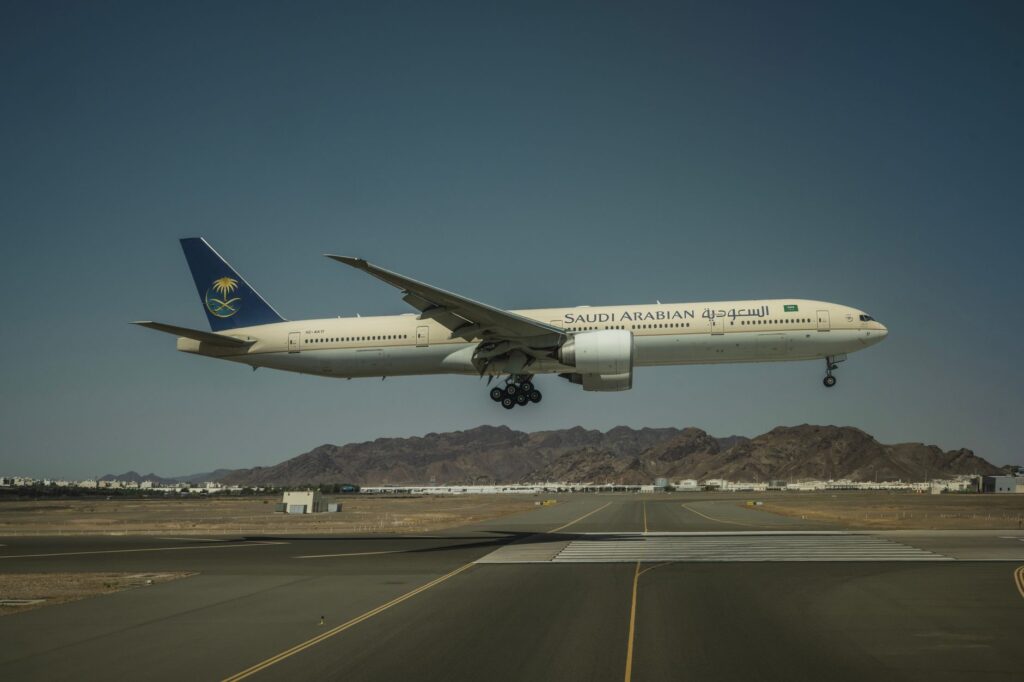
Saudi Arabia air safety probe is underway following a flydubai incident. This investigation aims to address potential aviation safety issues and ensure passenger security.
Overview of the flydubai incident
Recently, concerns over air safety have intensified following a flydubai incident that prompted Saudi Arabia to launch an air safety probe. This investigation aims to assess the circumstances surrounding the event and ensure the highest standards of safety are maintained in the region.
The flydubai flight encountered several challenges during its approach to the airport, raising alarms among aviation authorities. Key points regarding the incident include:
- Flight Details: The flight was operating from Dubai to a destination in Saudi Arabia when it experienced technical difficulties.
- Passenger Safety: Fortunately, there were no reported injuries, but the situation highlighted the importance of rigorous safety measures.
- Response from Authorities: Saudi Arabian aviation officials quickly initiated an investigation, emphasizing their commitment to air safety.
- International Implications: The incident has drawn attention from international aviation bodies, which are keen to understand the factors that led to this situation.
The Saudi Arabia air safety probe is seen as a proactive step to not only address the immediate concerns raised by the flydubai incident but also to reinforce the overall safety framework in the region. With air travel seeing a resurgence post-pandemic, ensuring passenger confidence through stringent safety measures is paramount.
Details of the Saudi Arabia air safety probe
The recent decision by Saudi Arabia to initiate an air safety probe has raised questions and garnered attention from aviation experts and the public alike. Following the flydubai incident, which involved a serious safety concern, the Saudi authorities have taken swift action to ensure that such events are thoroughly investigated.
According to sources, the probe aims to assess several critical aspects of aviation safety within the region. Key details of the investigation include:
- Flight Data Analysis: Experts will scrutinize flight data from the flydubai aircraft involved in the incident to identify any anomalies or malfunctions that may have contributed to the situation.
- Regulatory Compliance: The probe will evaluate whether the airline adhered to all safety regulations and protocols set forth by both Saudi and international aviation authorities.
- Training Procedures: Investigators will assess the training programs for pilots and crew members to ensure that they are adequately prepared for emergency situations.
- Aircraft Maintenance Records: A thorough review of the aircraft maintenance history will be conducted to rule out mechanical failures.
This air safety probe underscores Saudi Arabia’s commitment to enhancing aviation safety standards. As the investigation unfolds, stakeholders will be keen to see the findings and recommendations that emerge from this crucial examination.
Implications for air travel safety
The recent Saudi Arabia air safety probe has raised significant questions regarding the future of air travel safety in the region. With the aviation industry continuously evolving, ensuring that safety standards keep pace with advancements is crucial. Experts believe that this investigation could lead to a comprehensive review of current protocols and practices.
One of the primary implications of this probe is the potential for enhanced regulatory measures. Stakeholders in the aviation sector are closely monitoring the findings, as they could prompt new guidelines that improve flight safety across the board. Airlines operating in the Middle East may soon find themselves adapting to stricter safety requirements, which could reshape operational procedures.
Furthermore, an emphasis on transparency and accountability is essential. Passengers are increasingly concerned about their safety while traveling. As investigations like the Saudi Arabia air safety probe unfold, public trust in the aviation sector may hinge on how findings are communicated and acted upon.
Additionally, the outcome of this probe could influence international air travel regulations. If the investigation reveals systemic issues, it may encourage other nations to reassess their own safety standards. In essence, this probe could serve as a catalyst for a broader reevaluation of air travel safety protocols worldwide, ensuring that passenger safety remains a top priority.
Responses from aviation experts
Aviation experts have responded to the recent announcement regarding the Saudi Arabia air safety probe following the flydubai incident. Their insights reveal a mix of support and concern regarding the implications of this investigation.
Dr. Emily Carter, an aviation safety consultant, stated, “This probe is a crucial step towards enhancing air safety standards in the region. It shows a commitment from Saudi authorities to address any possible lapses that could affect passenger safety.”
However, Mark Thompson, a veteran pilot and safety advocate, expressed caution. “While investigations are essential, they must be thorough and transparent to regain public trust. Any findings should lead to actionable improvements, not just temporary fixes.”
Many experts believe that the Saudi Arabia air safety probe could set a precedent for other nations in the region. Dr. Sarah Louie, an aviation law expert, emphasized, “Regional cooperation in safety investigations can foster a culture of accountability and shared learning among airlines operating in the Gulf.”
Moreover, the probe may also impact international perceptions of Saudi Arabia’s aviation regulations. “A transparent investigation process could enhance the country’s reputation as a safe destination for air travel,” remarked James Reynolds, a travel industry analyst.
As the investigation unfolds, the aviation community eagerly awaits its outcomes and recommendations, which could reshape safety protocols not only in Saudi Arabia but across the region.
Previous incidents involving flydubai
The investigation into the flydubai incident is not the first time the airline has faced scrutiny. Over the years, there have been several notable incidents involving flydubai that raised questions about its operational safety.
- 2016 Crash in Rostov-on-Don: One of the most significant incidents occurred in March 2016, when a flydubai flight crashed while attempting to land in adverse weather conditions. All 62 people on board were killed, prompting investigations into the airline’s safety protocols and pilot training procedures.
- Technical Issues: In addition to serious accidents, flydubai has also experienced various technical issues, including emergency landings due to engine failures and in-flight malfunctions. Each incident has led to increased scrutiny from aviation safety regulators.
- Regulatory Responses: Following these events, international aviation authorities have consistently monitored flydubai’s operational standards. The recent Saudi Arabia air safety probe into the flydubai incident reflects ongoing concerns regarding the airline’s adherence to safety regulations.
These previous incidents not only influence public perception but also highlight the importance of rigorous safety oversight in the aviation industry. As the Saudi Arabia air safety probe unfolds, it will be crucial to analyze its findings and ensure that necessary measures are implemented to enhance air travel safety.
Saudi Arabia’s aviation safety history
Saudi Arabia has a complex aviation safety history that has evolved significantly over the past few decades. The nation, home to one of the busiest airspaces in the Middle East, has faced several challenges in maintaining high safety standards. Recent incidents, including the flydubai crash, have brought renewed focus to the importance of rigorous air safety protocols.
Historically, Saudi Arabia’s aviation sector has experienced both progress and setbacks. The government has invested heavily in modernizing infrastructure and enhancing training programs for pilots and air traffic controllers. However, incidents related to weather conditions, technical failures, and human error have raised concerns regarding the effectiveness of these measures.
- In 2016, a tragic incident involving a military aircraft highlighted the need for improved safety oversight.
- In 2019, another crash involving a civilian plane prompted investigations that uncovered gaps in regulatory enforcement.
- Despite advancements, the frequency of incidents has led to scrutiny from international aviation organizations.
The recent Saudi Arabia air safety probe aims to address these ongoing concerns and restore confidence in the nation’s aviation sector. Experts argue that a thorough investigation is crucial not only for accountability but also for developing better safety practices moving forward. The outcome of this probe may set a precedent for future aviation safety measures in the region.
Public reaction to the investigation
The announcement of the Saudi Arabia air safety probe has sparked a variety of reactions among the public and aviation enthusiasts. Many individuals expressed concern over the safety of air travel in the region, especially in light of the recent flydubai incident. Social media platforms have been abuzz with discussions, highlighting both apprehensions and support for the investigation.
Supporters of the probe argue that transparency is essential in maintaining public trust in the aviation industry. They believe that a thorough investigation could lead to improved safety measures and prevent future incidents. One social media user stated, “It’s crucial for airlines to prioritize safety above all else. This probe is a step in the right direction.”
Conversely, some critics question the timing and necessity of the investigation. They argue that it could lead to unnecessary panic among travelers and negatively impact the tourism sector. A frequent flyer commented, “While safety is important, this probe might create fear among those who travel regularly.”
Overall, the public sentiment appears to be a mix of support for enhanced safety measures and concern over potential repercussions for the aviation industry. As the investigation progresses, it remains to be seen how it will influence public confidence in air travel within Saudi Arabia and beyond.
Next steps for the aviation industry
As the Saudi Arabia air safety probe unfolds, the aviation industry faces critical next steps to enhance safety measures and prevent future incidents. Stakeholders, including airlines, regulatory bodies, and safety organizations, must collaborate to ensure that comprehensive safety protocols are established and maintained.
In light of the recent flydubai incident, the following action items are essential:
- Review and Revise Safety Protocols: Airlines should conduct an immediate review of their existing safety protocols and make necessary revisions based on insights gained from the investigation.
- Implement Advanced Training Programs: Enhanced training for pilots and crew members should be a priority, focusing on emergency response and risk assessment during flights.
- Increase Transparency and Communication: Open lines of communication between airlines and regulatory authorities will foster transparency and promote a culture of safety across the industry.
- Invest in Technology: The adoption of advanced technologies, such as predictive analytics and real-time monitoring systems, can help identify potential safety issues before they escalate.
As the probe continues, it is crucial for the aviation sector to prioritize safety and adapt to the evolving challenges. The outcomes of this investigation could significantly influence global air travel standards and reinforce the commitment to passenger safety.
The Saudi Arabia air safety probe aims to address concerns raised by recent incidents in the aviation sector. Stakeholders are closely watching how this Saudi Arabia air safety probe will impact future regulations and operational standards.
Photo by Miguel Cuenca on Pexels



![F]FET gliomas assessment](https://hakabet234.com/wp-content/uploads/2026/10/f-fet-gliomas-assessment-300x200.jpg)