
Motion-triggered cameras: Proven technology transforms wildlife research
Motion-triggered cameras are revolutionizing wildlife research in the Serengeti.
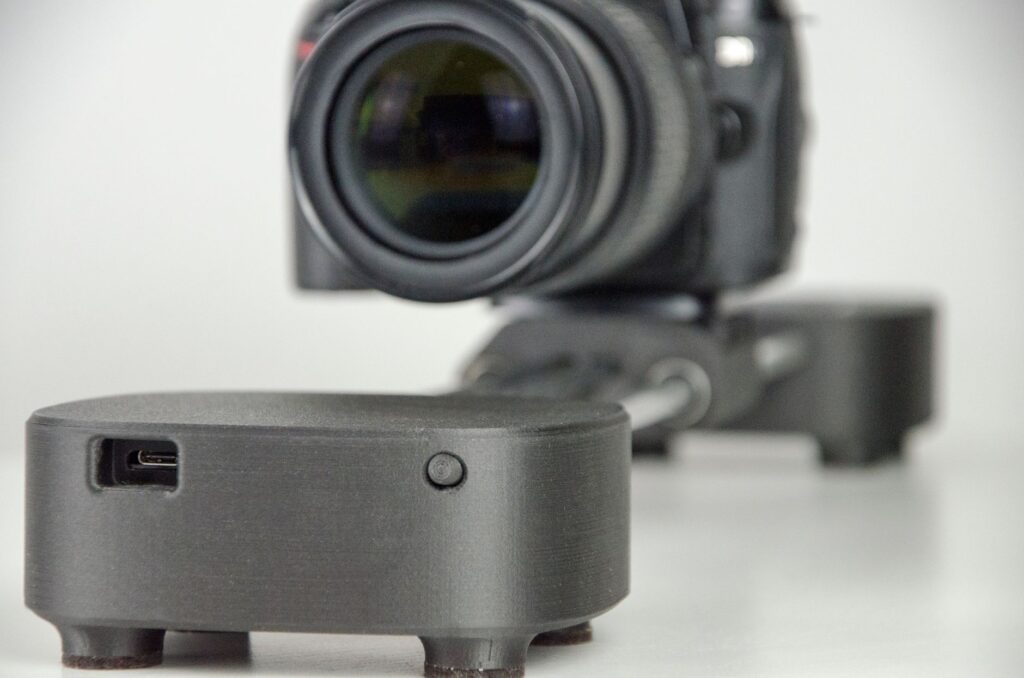
motion-triggered cameras have played a crucial role in wildlife research for over a decade. These innovative devices capture millions of images, providing invaluable data for conservation efforts across the Serengeti.
The Role of Motion-Triggered Cameras in Conservation
Motion-triggered cameras have revolutionized the field of wildlife research and conservation. For over a decade, these innovative devices have been deployed in various ecosystems, capturing invaluable data on animal behavior and biodiversity. In the Serengeti, for instance, 225 cameras have been strategically placed to monitor wildlife activity around the clock.
The impact of these cameras extends beyond mere observation. The millions of photographs taken by these devices have provided researchers with insights into species populations, migration patterns, and interactions between different animals. The sheer volume of data generated has enabled scientists to make more informed decisions regarding conservation efforts.
One of the most remarkable aspects of this project is the involvement of citizen scientists. Hundreds of thousands of volunteers have contributed their time to sorting through the vast collection of images, identifying species and noting behaviors. This cooperation not only accelerates the research process but also raises awareness about wildlife conservation issues among the public.
As technology continues to improve, motion-triggered cameras are becoming more sophisticated, able to capture high-resolution images and videos, and even record audio. This evolution enhances their effectiveness in conservation projects, making them an essential tool for monitoring wildlife and protecting endangered species.
- Enhanced data collection
- Involvement of citizen scientists
- Improved technology for better insights
How Volunteers Helped Sort Millions of Photos
In a remarkable collaborative effort, volunteers from around the world played a crucial role in sorting through millions of photos captured by motion-triggered cameras in the Serengeti. This initiative, known as Snapshot Serengeti, has engaged hundreds of thousands of participants who have contributed to wildlife research without ever setting foot in the region.
The process began when the motion-triggered cameras, strategically placed in various habitats, captured images of wildlife day and night. Each camera produced a staggering number of photographs, leading to an overwhelming amount of data that required careful examination. To tackle this challenge, the Snapshot Serengeti project called upon citizen scientists to help identify and classify the animals appearing in each image.
Volunteers were trained through an online platform, allowing them to categorize animals based on their appearance and behavior. This system not only made the task manageable but also fostered a sense of community among participants who shared a passion for wildlife and conservation. Many volunteers reported feeling a deep connection to the Serengeti, developing a sense of ownership over the data they were helping to process.
As a result of their dedication, researchers have been able to compile valuable insights into animal populations and movements, ensuring that conservation efforts remain informed and effective. The success of this initiative highlights the power of collective action in advancing wildlife research through the innovative use of motion-triggered cameras.
Impact of Technology on Wildlife Studies
The advent of motion-triggered cameras has had a profound impact on wildlife studies, providing researchers with invaluable data on animal behavior and population dynamics. These cameras allow scientists to monitor wildlife in their natural habitats without human interference, resulting in more accurate observations and insights.
One of the significant advantages of this technology is its ability to capture images at all hours, offering a comprehensive view of nocturnal and diurnal species alike. This capability has transformed how researchers approach various aspects of wildlife studies, such as understanding migration patterns and breeding behaviors.
Additionally, motion-triggered cameras have enhanced data collection efficiency. Instead of spending countless hours in the field, researchers can review the thousands of images captured automatically. This not only saves time but also allows for the analysis of much larger datasets than ever before.
Furthermore, the democratization of wildlife research has been facilitated by these cameras. With the help of citizen scientists, who sort through the vast number of photographs, researchers can engage a broader audience in conservation efforts. This collaboration between experts and the public fosters a greater appreciation for wildlife and emphasizes the importance of protecting natural habitats.
In summary, motion-triggered cameras are proving to be an essential tool in wildlife research, revolutionizing the way scientists study and conserve our planet’s fauna.
Future of Wildlife Research in the Serengeti
The future of wildlife research in the Serengeti is poised for transformation as advancements in technology continue to enhance the capabilities of motion-triggered cameras. These devices have already provided invaluable insights into animal behavior and population dynamics, but ongoing innovations promise to take this research to new heights.
One of the most exciting developments is the integration of artificial intelligence (AI) with motion-triggered cameras. By automating the identification of species in photographs, researchers can process data at unprecedented speeds. This will not only reduce the burden on volunteers but also allow scientists to focus on analyzing patterns and drawing conclusions from the data collected.
Moreover, the deployment of more sophisticated sensors can enable these cameras to capture additional information, such as temperature and humidity levels, enhancing the depth of research. This data can help in understanding how environmental changes affect wildlife behaviors and habitats.
As conservation efforts become increasingly urgent due to climate change and habitat loss, the need for efficient and effective research tools is critical. The evolution of motion-triggered cameras into multi-functional research instruments will bolster conservation strategies and ensure the protection of the diverse ecosystems within the Serengeti.
In conclusion, the future of wildlife research in this iconic region is bright, with motion-triggered cameras at the forefront of a technological revolution that promises to deepen our understanding of nature.
Photo by Corentin HENRY on Pexels