Lift Sanctions on Russia: EU’s Bold Move for Billionaires
Lift sanctions on Russia as EU considers action against billionaires.
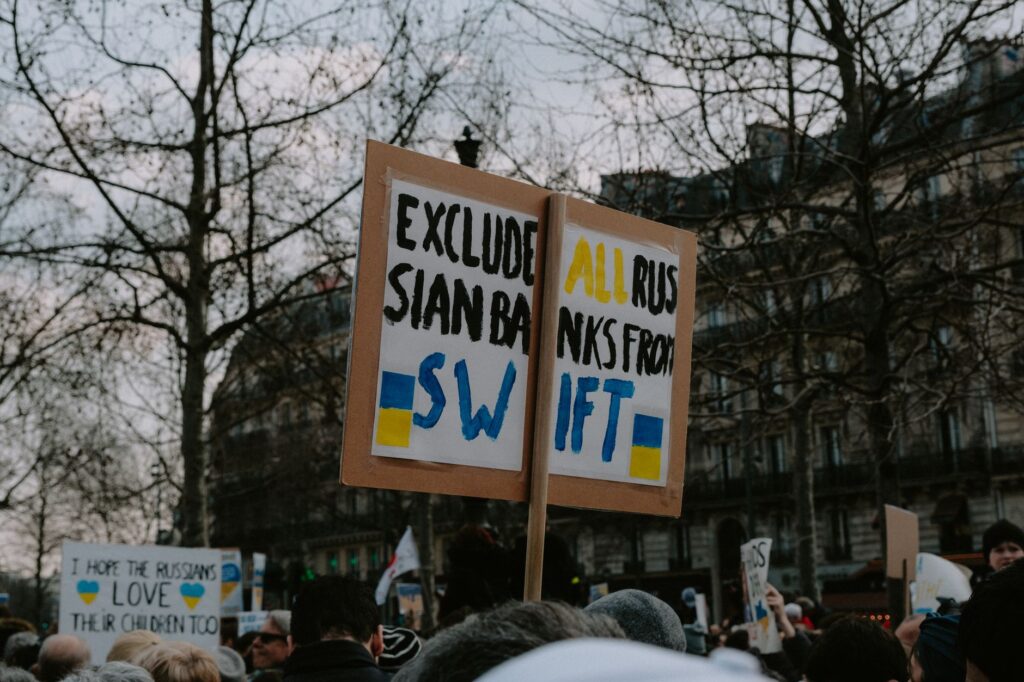
Lift sanctions on Russia is a potential development as EU diplomats indicate a shift regarding billionaires Usmanov and Fridman. This change could reshape diplomatic relations significantly.
EU’s Sanctions Review
The European Union is currently undertaking a significant review of its sanctions policy concerning Russian oligarchs, with a particular focus on financial magnates like Alisher Usmanov and Mikhail Fridman. Diplomats indicate that the EU may soon lift sanctions on these billionaires, a decision that could reshape relations between Europe and Russia.
As the geopolitical landscape evolves, the EU is reassessing the effectiveness of its sanctions, initially imposed in response to the conflict in Ukraine. Officials are weighing the potential benefits of engaging with certain Russian businessmen who have expressed a willingness to support economic initiatives in Europe.
Key points in the discussion include:
- Economic Impact: The potential for increased investment and economic growth in the EU.
- Political Ramifications: The ramifications for European unity and relations with the U.S. regarding sanctions policy.
- Public Opinion: Growing pressure from various sectors to reconsider the sanctions, citing humanitarian concerns.
As the debate unfolds, many are watching closely to see if the EU will indeed lift sanctions on Russia-linked billionaires, marking a pivotal shift in its foreign policy approach.
Impact on Russia’s Economy
The potential decision by the EU to lift sanctions on Russia could have profound implications for the country’s economy, particularly for its wealthy elite. This move is seen as a significant shift in diplomatic relations and may pave the way for increased investment and economic stability in Russia.
By removing restrictions on prominent billionaires such as Usmanov and Fridman, the EU may inadvertently boost the confidence of foreign investors. The lifting of sanctions is expected to lead to:
- Increased Foreign Direct Investment: Removing barriers can attract international businesses looking to capitalize on Russia’s vast resources.
- Enhanced Market Access: Russian companies may regain opportunities in the European market, leading to growth in various sectors.
- Strengthened Domestic Economy: Wealthy individuals will likely reinvest their assets back into the economy, supporting local businesses and job creation.
However, critics argue that lifting sanctions on Russia could undermine efforts to hold the country accountable for its actions. The debate continues on whether this bold move will yield positive outcomes for both Russia and its global partners.
Key Players: Usmanov and Fridman
As the European Union contemplates a significant policy shift, two prominent figures are at the center of discussions regarding the potential to lift sanctions on Russia. Alisher Usmanov and Mikhail Fridman have emerged as key players in this evolving narrative, with their vast business interests in the EU drawing attention from diplomats.
Usmanov, a billionaire with extensive investments across various sectors, has been a focal point due to his ties to major companies and his influence in the region. Meanwhile, Fridman, known for his extensive network and business acumen, has similarly faced scrutiny as the EU weighs the implications of lifting sanctions.
The prospect of sanction removal is a contentious issue, as it raises questions about the repercussions for Ukraine and the overall geopolitical landscape. Supporters of lifting sanctions argue that it could lead to improved economic relations and stability, while critics warn of undermining efforts to hold Russia accountable for its actions.
As the EU deliberates, the influence of Usmanov and Fridman remains palpable, highlighting the complex interplay between business interests and international diplomacy in this pivotal moment.
Diplomatic Reactions to Sanctions
As discussions around the potential to lift sanctions on Russia gain momentum, diplomatic reactions are increasingly varied and complex. Some officials within the EU express optimism, suggesting that easing restrictions could foster better relations with Moscow and stabilize the geopolitical landscape. They argue that lifting sanctions on billionaires like Usmanov and Fridman could lead to economic benefits not only for Russia but for the EU as well.
Conversely, other diplomats remain skeptical, cautioning that such a move may undermine the EU’s stance against Russia’s actions in Ukraine and other contentious areas. They fear that it could be perceived as a signal of weakness, potentially encouraging further aggressive behavior from the Kremlin.
The debate has sparked a divide among member states, with some advocating for a cautious approach that emphasizes human rights and international law, while others prioritize economic interests and diplomatic engagement. As the discussions progress, it remains to be seen how the EU will balance these competing interests and whether they will ultimately decide to lift sanctions on Russia-linked individuals.
- Supporters: Believe it will improve relations.
- Skeptics: Warn it may signal weakness.
Historical Context of Sanctions
The imposition of sanctions on Russia has a complex history, rooted in geopolitical tensions and responses to various crises. Initially, these measures were enacted in 2014 following Russia’s annexation of Crimea, which was widely condemned by the international community. As tensions escalated, particularly with the outbreak of the Ukraine conflict, the European Union and other nations expanded their sanction lists, targeting high-profile individuals and businesses linked to the Kremlin.
Sanctions aimed to isolate Russia economically and politically, but their effectiveness has been a matter of debate. Proponents argue that sanctions have hindered the Russian economy and pressured the government, while critics claim that such measures disproportionately affect ordinary citizens and fail to achieve their intended goals.
Recently, discussions have emerged regarding the possibility to lift sanctions on Russia-linked billionaires, such as Usmanov and Fridman, as part of a broader diplomatic strategy. This move signals a potential shift in the EU’s approach, reflecting a desire for renewed dialogue and engagement with Russia amidst changing global dynamics. The implications of lifting these sanctions could be significant, not only for the individuals involved but also for the future of EU-Russia relations.
Potential Consequences for Europe
The potential consequences of the EU’s decision to lift sanctions on Russia-linked billionaires could reverberate across Europe, influencing both economic ties and diplomatic relations. As the EU contemplates this bold move, several factors come into play that may shape the future landscape.
- Economic Opportunities: Lifting sanctions on prominent figures like Usmanov and Fridman may open avenues for increased investment in various sectors, particularly in technology and infrastructure. This could lead to job creation and economic growth within the EU.
- Geopolitical Tensions: However, this decision could also heighten tensions with the United States and other allies, who may view the move as undermining collective efforts to hold Russia accountable for its actions.
- Public Sentiment: There is a risk of backlash from European citizens who feel that lifting sanctions on billionaires could be perceived as prioritizing financial interests over ethical considerations. This discontent could influence upcoming elections and public support for the EU.
- Future Sanctions Policies: The process of lifting sanctions on Russia may set a precedent, complicating future sanctions policies and the EU’s stance on international conflicts.
Public Opinion on Sanctions Lifting
As discussions intensify regarding the potential to lift sanctions on Russia, public opinion appears to be divided. Many citizens express strong support for maintaining the sanctions, citing concerns over Russia’s ongoing geopolitical maneuvers and the implications of rewarding individuals linked to controversial actions.
However, a significant portion of the population believes that lifting sanctions could facilitate improved diplomatic relations and economic collaboration, particularly with influential billionaires like Usmanov and Fridman. This group argues that the sanctions have disproportionately affected ordinary Russians and stifled potential growth opportunities within the region.
Recent polls indicate that:
- 45% of respondents support lifting sanctions to foster dialogue.
- 35% are against the move, fearing it would undermine international law.
- 20% remain undecided, reflecting uncertainty in the current political climate.
As the EU considers whether to lift sanctions on Russia, public sentiment will likely play a crucial role in shaping future policy decisions, emphasizing the delicate balance between economic interests and ethical considerations.
Future of EU-Russia Relations
The future of EU-Russia relations appears to be on the brink of a significant transformation as discussions intensify regarding the potential to lift sanctions on Russia linked to prominent billionaires. This shift could pave the way for a more collaborative approach between the EU and Russia, particularly in sectors heavily influenced by these powerful figures.
As the EU considers this bold move, several factors come into play:
- Economic Interests: Many European countries rely on trade with Russia, and lifting sanctions could rejuvenate economic ties.
- Geopolitical Stability: A thaw in relations may contribute to regional stability, fostering dialogue on shared challenges such as security and energy supply.
- Billionaire Influence: The involvement of influential billionaires like Usmanov and Fridman could act as catalysts for deeper economic partnerships.
- Internal EU Dynamics: Member states have differing opinions on sanctions, and lifting them could alter the balance of power within the union.
As these discussions unfold, the implications for EU-Russia relations will be closely monitored by both political analysts and the global community.
The decision to lift sanctions on Russia has sparked heated debates among EU member states. Many believe that the move to lift sanctions on Russia could lead to increased economic cooperation and stability in the region.
Photo by Mathias Reding on Pexels
Where this came from
You might also like
Motion-triggered cameras: Proven technology transforms wildlife research · West Bengal school holiday: Is it worth the wait? · Human Brain Discovery: Proven Insights into Its Structure