Ancient mountains impact: Proven ways they shaped life on Earth
Ancient mountains impact the Earth’s biodiversity and evolution. Discover how these geological formations have influenced life on our planet.
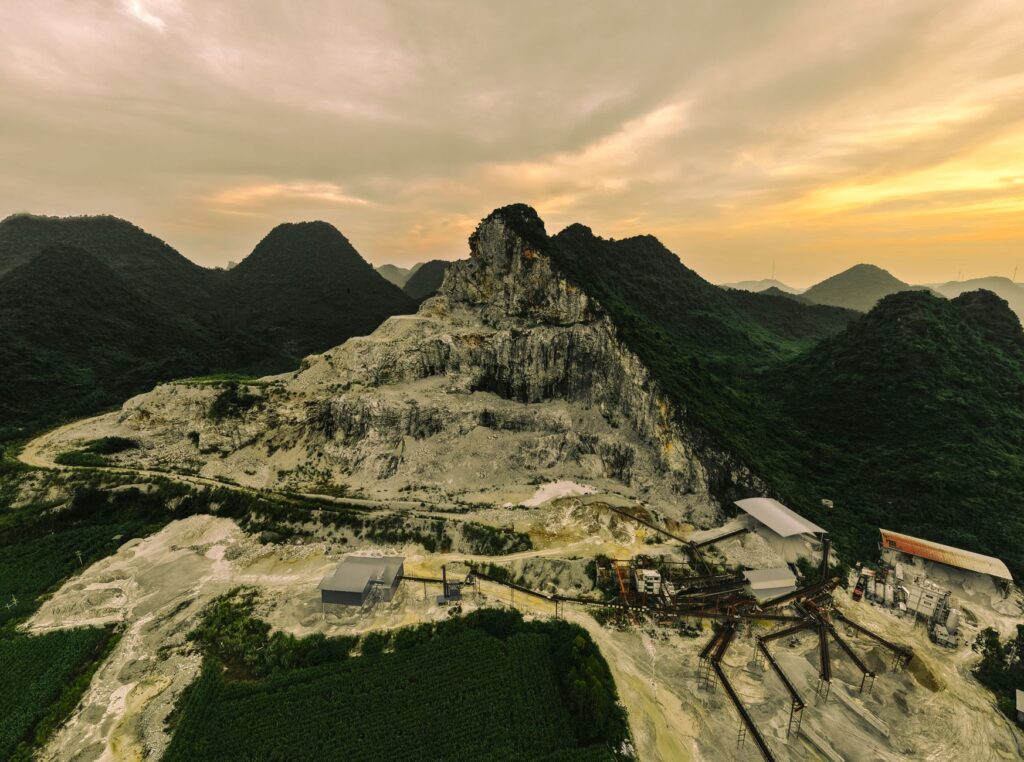
Ancient mountains impact the course of life on Earth in remarkable ways. Their rise has shaped ecosystems and influenced biodiversity throughout history.
The Formation of Ancient Mountains
The formation of ancient mountains has played a crucial role in shaping the Earth’s landscape and ecosystems. These towering structures emerged through a series of geological processes, primarily tectonic movements that pushed the Earth’s crust upward. Over millions of years, the relentless forces of nature sculpted these mountains, creating diverse habitats that significantly influenced the course of life on Earth.
One of the primary impacts of ancient mountains is their effect on climate and weather patterns. The elevation created by these ranges can alter wind currents and precipitation distribution, leading to different climates on either side of the mountains. This phenomenon contributes to the development of distinct biomes, which in turn fosters biodiversity.
Furthermore, ancient mountains serve as natural barriers, affecting the migration and evolution of various species. Isolated populations may adapt to their unique environments, leading to the emergence of new species over time. This process of speciation is vital for maintaining genetic diversity within ecosystems.
In summary, the formation of ancient mountains has had a profound impact on life on Earth, creating varied climates, influencing species migration, and spurring evolutionary changes. Their legacy continues to shape our planet’s biological and geological history.
How Mountains Influence Climate
The influence of ancient mountains on climate is profound and multifaceted. These towering landforms play a critical role in shaping weather patterns, which in turn affect ecosystems and the evolution of life on Earth.
As ancient mountains rise, they act as barriers to prevailing winds, forcing air to ascend. This process leads to orographic precipitation, where moist air cools and condenses, resulting in increased rainfall on the windward side. Conversely, the leeward side often experiences arid conditions, creating a rain shadow. These climatic variations can lead to the development of distinct biomes and habitats, fostering biodiversity.
Additionally, the elevation of mountains can influence atmospheric circulation. Changes in temperature and pressure patterns can alter global climate systems, affecting not just local environments but also distant regions. The cooling effect of high-altitude ranges can lead to the creation of glacial environments, which have historically impacted sea levels and ocean currents.
In summary, the ancient mountains impact climate in significant ways. By altering precipitation patterns and temperature distributions, they have shaped the evolutionary paths of countless species throughout history, making them crucial players in the story of life on Earth.
Ancient Mountains and Biodiversity
Ancient mountains have played a crucial role in shaping biodiversity on Earth. The rise of these colossal formations has influenced ecosystems and the evolution of various species over millions of years.
One significant impact of ancient mountains is their ability to create diverse habitats. These elevated terrains provide unique environments that support a wide range of flora and fauna. As different species adapted to the varying climatic conditions present in mountainous regions, biodiversity flourished.
Furthermore, the geological activities associated with ancient mountains, such as volcanic eruptions and erosion, have contributed to the formation of rich soil. This nutrient-dense earth fosters plant growth, which in turn supports numerous animal species. The interplay between plant and animal life in these areas illustrates the interconnectedness of ecosystems.
Additionally, ancient mountains have acted as natural barriers, leading to the isolation of species. This isolation has facilitated the development of unique adaptations and species diversification. For example, certain plants and animals found in mountainous regions often exhibit traits not seen in their lowland counterparts.
In summary, the ancient mountains impact extends beyond mere geological formations, influencing the intricate web of life that thrives on our planet.
The Geological History of Earth
The geological history of Earth is intricately linked to the rise of ancient mountains, which have played a significant role in shaping not only the landscape but also the evolution of life. These colossal formations are remnants of tectonic activity that occurred millions of years ago, serving as a testament to the dynamic processes that have influenced our planet.
As ancient mountains emerged, they altered the distribution of ecosystems and contributed to the formation of various habitats. This geological history has led to the development of unique flora and fauna, making these regions hotbeds of biodiversity. The impact of ancient mountains extends beyond the immediate environment; they have played a crucial role in climatic patterns and weather systems, affecting where species can thrive.
Furthermore, the erosion of these mountains has enriched soil, enabling agriculture to flourish in surrounding areas. This geological transformation has not only shaped landscapes but has also been fundamental in the establishment of human civilizations. In summary, the ancient mountains impact the Earth’s geological history profoundly, influencing climate, biodiversity, and even the course of human development.
Understanding this connection offers valuable insights into how Earth’s history has been shaped and how it continues to influence life today.
Lessons from Earth’s Evolution
The story of Earth’s evolution is intricately tied to the rise of ancient mountains. These colossal structures not only transformed landscapes but also had profound effects on the planet’s ecosystems and climate. The lessons drawn from the impact of ancient mountains reveal how they have shaped life on Earth in various ways.
One significant lesson is the role of mountains in fostering biodiversity. As ancient mountains emerged, they created various habitats and microclimates, allowing for diverse species to thrive. The isolation of species due to mountainous terrains contributed to unique evolutionary paths, resulting in a rich tapestry of life.
Additionally, ancient mountains have played a crucial role in the water cycle. They act as barriers to prevailing winds, causing orographic rainfall. This phenomenon has supported countless ecosystems and influenced where flora and fauna can flourish.
Furthermore, the erosion of these mountains has contributed to soil formation, vital for agriculture and the sustenance of terrestrial life. Understanding the ancient mountains impact on Earth’s evolutionary narrative allows scientists to appreciate the interconnectedness of geological processes and biological diversity.
Ultimately, studying the legacy of ancient mountains provides insights into the resilience and adaptability of life in an ever-changing world.
The ancient mountains impact on climate and ecosystems has been profound, influencing biodiversity across various regions. Researchers are uncovering how the ancient mountains impact the distribution of species and the development of unique habitats.
Photo by Snow Remnant on Pexels