FAA flight delays: What are the worst impacts on travelers?
FAA flight delays continue despite resuming operations after ground stop.
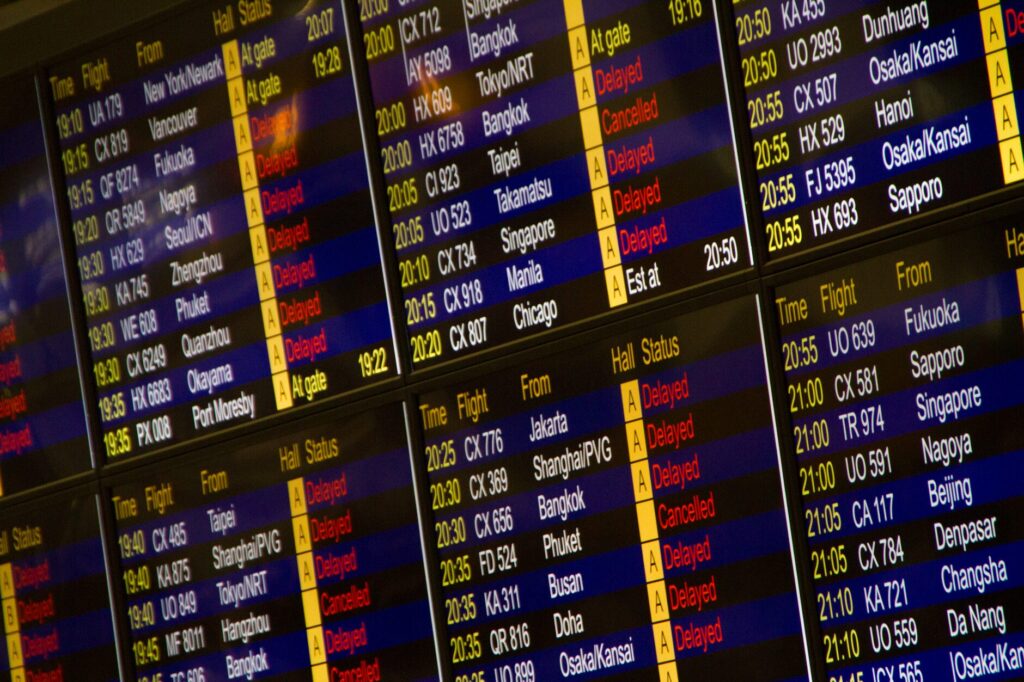
FAA flight delays have been a significant issue today as airlines resume flights following an hours-long ground stop. Travelers are facing ongoing challenges with cancellations and delays across the country.
Understanding the FAA’s Ground Stop
The Federal Aviation Administration (FAA) implemented a ground stop that significantly impacted air travel across the country. During this period, flights were temporarily halted to manage safety concerns and airspace congestion. As a result, travelers faced extended delays and cancellations, leading to a ripple effect on subsequent flights.
Understanding the ground stop is crucial for travelers dealing with FAA flight delays. Here are some key points:
- Duration: Ground stops can last for several hours, affecting thousands of passengers.
- Communication: Airlines are required to keep passengers informed about the status of their flights.
- Alternatives: Travelers are often urged to consider rescheduling or rerouting their journeys.
Overall, the implementation of a ground stop can lead to significant disruption, underscoring the importance of staying updated on flight statuses during such events.
Impact of Delays on Travelers
The recent FAA flight delays have had significant repercussions for travelers nationwide. These delays not only frustrate passengers but also disrupt travel plans, leading to a cascade of issues. Many travelers find themselves:
- Missing Connections: Extended delays can result in missed connecting flights, forcing passengers to wait for rebooking.
- Increased Costs: Travelers may incur additional expenses for accommodations, meals, and alternative transportation.
- Emotional Stress: The uncertainty and frustration associated with delays can lead to heightened anxiety among travelers.
- Work and Schedule Disruptions: Business travelers may miss important meetings or events, impacting their professional commitments.
In light of the FAA’s recent announcements, many are left wondering how to best navigate the ongoing challenges posed by these flight delays, as the ripple effects continue to affect countless itineraries.
FAA Flight Delays: What You Need to Know
As travelers navigate the complexities of air travel, understanding the implications of FAA flight delays is crucial. These delays not only disrupt itineraries but can also lead to significant stress for passengers. With the recent announcement from the FAA allowing airlines to resume flights after an extensive ground stop, many individuals are left wondering about the continuing impacts.
Here are some key points to consider:
- Extended Wait Times: Passengers may face long waits at airports, with crowded terminals and limited seating.
- Cancellations: Flight cancellations can create a domino effect, leading to further disruptions in travel plans.
- Rebooking Challenges: Travelers often encounter difficulties when trying to rebook flights, with limited availability and increased fees.
- Emotional Toll: The uncertainty and frustration caused by delays can affect travelers’ overall experience and mood.
Staying informed about FAA flight delays can help travelers better prepare for their journeys.
Airline Responses to Ground Stop
In response to the recent FAA flight delays caused by an unexpected ground stop, airlines have swiftly implemented various measures to mitigate the impact on travelers. Airlines are prioritizing clear communication with passengers, ensuring they are updated on flight statuses through notifications and announcements. Some carriers are offering flexible rebooking options, allowing travelers to change their plans without incurring additional fees.
Additionally, airlines have increased staffing at key airports to assist affected passengers. Many are also providing compensation in the form of travel vouchers or upgrades to those experiencing significant disruptions. Travelers are encouraged to check their airline’s website for real-time updates and specific policies regarding delays and cancellations.
- Enhanced customer service support to address traveler concerns.
- Increased flight options on popular routes.
- Collaboration with the FAA to streamline operations.
Future of Air Travel Amid Delays
As the aviation industry navigates the challenges posed by FAA flight delays, the future of air travel appears uncertain. Experts suggest that continued operational disruptions may lead to significant changes in how airlines manage their schedules.
Travelers could face a range of repercussions, including:
- Increased Ticket Prices: Airlines may raise fares to compensate for the financial impact of delays and cancellations.
- Longer Wait Times: Extended delays could lead to more crowded airports and longer lines for check-in and security.
- Fewer Flights: Airlines might reduce the frequency of flights to better manage resources and minimize delays.
In this evolving landscape, it is essential for travelers to stay informed and adaptable. The ongoing situation underscores the importance of planning ahead, remaining flexible with travel itineraries, and understanding their rights as passengers.
Tips for Travelers Facing Delays
Travelers facing FAA flight delays can take proactive steps to minimize the impact on their journeys. Here are some essential tips to consider:
- Stay Informed: Regularly check your airline’s app or website for real-time updates on your flight status.
- Plan for Delays: Allow extra time for connections, especially if you have tight schedules. Consider booking flexible tickets.
- Pack Essentials: Keep important items like medications, chargers, and snacks in your carry-on, as delays can extend travel times unexpectedly.
- Know Your Rights: Familiarize yourself with airline policies regarding compensation and accommodations during significant delays or cancellations.
- Stay Calm: Maintain a positive attitude, as stress can heighten during travel disruptions. Use the time to read, catch up on shows, or plan your trip.
By following these tips, travelers can navigate the challenges posed by FAA flight delays more effectively.
Photo by Oscar Chan on Pexels