
India US trade deal: Quick updates on negotiations and inflation
India US trade deal details are crucial for understanding economic impacts.
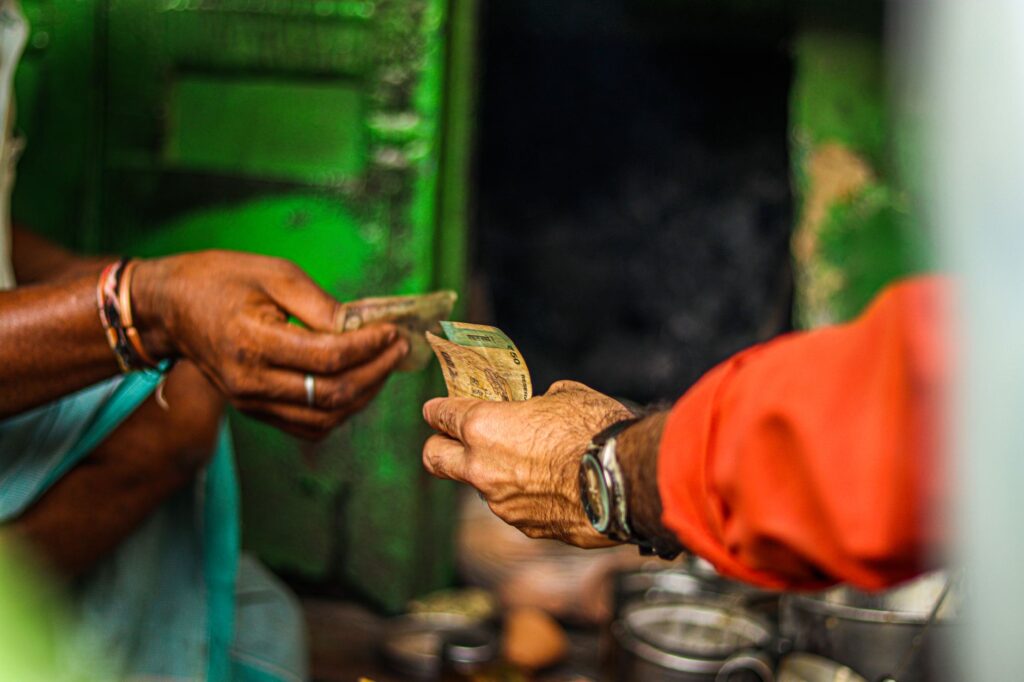
India US trade deal is a hot topic as negotiations continue amid inflation concerns. This article explores the latest updates and implications for both countries.
Current status of the India US trade deal
The ongoing negotiations regarding the India US trade deal have seen significant developments in recent weeks. Both nations are actively engaging in discussions aimed at addressing various trade barriers that have existed for years. As of now, officials from both countries are working to finalize the key components of the agreement.
Recent reports indicate that the talks have intensified, particularly in light of rising inflation rates that are impacting both economies. This urgency has prompted leaders to emphasize the importance of reaching a mutually beneficial agreement. Key areas of focus in the negotiations include:
- Agricultural products: India is seeking greater access for its agricultural exports, while the US aims to enhance its market share in India.
- Tariff reductions: Both countries are discussing potential reductions in tariffs that could promote smoother trade flows.
- Intellectual property rights: Strengthening protections for intellectual property remains a contentious but crucial topic.
As the negotiations progress, analysts remain optimistic about the potential for a final agreement. However, challenges remain, particularly concerning domestic pressures in both countries. The coming weeks are expected to be critical in determining the timeline for the completion of the India US trade deal.
Impact of inflation on trade negotiations
The ongoing negotiations for the India US trade deal are significantly influenced by rising inflation rates in both countries. As inflation continues to strain economies, the urgency for a comprehensive agreement has become more pronounced. Analysts suggest that high inflation may lead to increased scrutiny of trade policies, potentially complicating the negotiation process.
In India, the government is grappling with inflationary pressures that affect consumer purchasing power. This situation has prompted officials to consider how trade agreements can help stabilize prices and enhance economic growth. The expectation is that improved trade relations with the US could lead to greater access to American markets and investment opportunities, thus alleviating some inflationary pressure.
On the other hand, the US is also facing challenges due to inflation, which has made it imperative for negotiators to strike a balance that benefits both nations. As prices rise, there is a growing demand for goods that may be impacted by tariffs and trade restrictions, making the finalization of the India US trade deal crucial.
- Increased consumer prices may hinder trade flows.
- Both countries aim to secure better market access.
- Inflation could lead to renegotiation of terms.
Key players in the India US talks
The ongoing negotiations surrounding the India US trade deal involve several key players whose interests and strategies significantly influence the discussions. Understanding the roles of these stakeholders is crucial in anticipating the deal’s potential outcomes.
- Government Officials: Top officials from both the Indian and US governments are at the forefront of these negotiations. Indian Commerce Minister Piyush Goyal and US Trade Representative Katherine Tai are working to bridge differences and reach a consensus.
- Business Leaders: Influential leaders from major corporations and industry associations are advocating for their interests. They are pressing for the removal of tariffs and greater market access to stimulate trade and investment between the two nations.
- Economic Advisors: Economists and trade experts are providing analysis and recommendations to guide the discussions. Their insights on trade flows, tariffs, and economic impacts are pivotal in shaping the negotiations.
- Lobbying Groups: Various lobbying groups are actively influencing the process. These organizations represent diverse sectors, including agriculture, technology, and pharmaceuticals, and they are keen on ensuring their viewpoints are heard.
As the India US trade deal negotiations progress, the involvement of these key players underscores the complexity of reaching an agreement that satisfies all parties involved.
Historical context of India US trade relations
The trade relations between India and the United States have evolved significantly over the past few decades, shaped by various geopolitical and economic factors. In the early 1990s, following India’s economic liberalization, the two nations began to engage more actively in trade discussions. This marked a shift from a primarily protectionist approach to one that embraced global trade.
In 2005, the U.S.-India Economic Dialogue was established to enhance bilateral trade and investment. Since then, trade between the two countries has surged, with notable advancements in sectors such as technology, pharmaceuticals, and agriculture. However, the relationship has also faced challenges, including tariffs and regulatory barriers that have periodically strained negotiations.
In recent years, both nations have recognized the importance of a comprehensive trade deal to bolster economic ties. The ongoing discussions surrounding the India US trade deal are influenced by international market dynamics, domestic policy shifts, and the growing importance of supply chain resilience in light of global events.
As both countries aim to solidify their economic partnership, understanding the historical context of their trade relations is essential. This backdrop highlights the progress made and the hurdles that still need to be addressed to achieve a mutually beneficial agreement.
Public opinion on the trade deal
As negotiations surrounding the India US trade deal continue, public opinion remains a vital factor influencing the outcome. Recent polls indicate a mixed response from citizens and businesses alike.
Supporters of the trade deal argue that it could lead to significant economic growth and job creation in both countries. They believe that reducing tariffs and increasing market access would foster stronger ties, benefiting consumers through lower prices and enhanced product variety. Key supporters include:
- Industry leaders advocating for lower trade barriers
- Economists predicting increased bilateral trade
- Political figures emphasizing the strategic partnership
Conversely, opponents express concerns regarding potential job losses in certain sectors and the impact on local businesses. Critics argue that the trade deal might prioritize corporate interests over workers’ rights and environmental standards. This group includes:
- Labor unions fearing job displacement
- Activists calling for stricter regulations
- Civil society organizations advocating for transparency
Amid these varying perspectives, public discourse will play a crucial role in shaping the future of the India US trade deal, as stakeholders voice their opinions on the benefits and drawbacks of increased economic collaboration.
Future outlook for India US economic ties
The future outlook for India US economic ties appears promising, with both nations expressing a commitment to strengthening their trade relations. The ongoing negotiations surrounding the India US trade deal are expected to address various sectors, including technology, agriculture, and pharmaceuticals. Both governments are keen to create a framework that not only enhances bilateral trade but also addresses mutual concerns regarding tariffs and market access.
Experts believe that if finalized, the India US trade deal could lead to significant economic benefits for both countries. Trade analysts suggest that such an agreement could potentially increase bilateral trade volumes, stimulate job creation, and enhance economic resilience amid global uncertainties. Additionally, the deal may pave the way for greater collaboration in emerging sectors like renewable energy and digital trade.
However, challenges remain. Ongoing inflationary pressures may complicate negotiations, prompting both sides to carefully consider their domestic economic conditions. Key stakeholders, including industry leaders and policymakers, are closely monitoring these developments, as they will ultimately shape the trajectory of this vital economic relationship.
In summary, while the path ahead for the India US trade deal is fraught with challenges, the potential for a lucrative partnership keeps the dialogue alive, with hopes of a resolution in the near future.
Photo by Swastik Arora on Pexels