
Iran Failed Nation: The Real Impact of Operation Epic Fury
Iran failed nation is under pressure as Operation Epic Fury escalates tensions and challenges the regime’s stability.
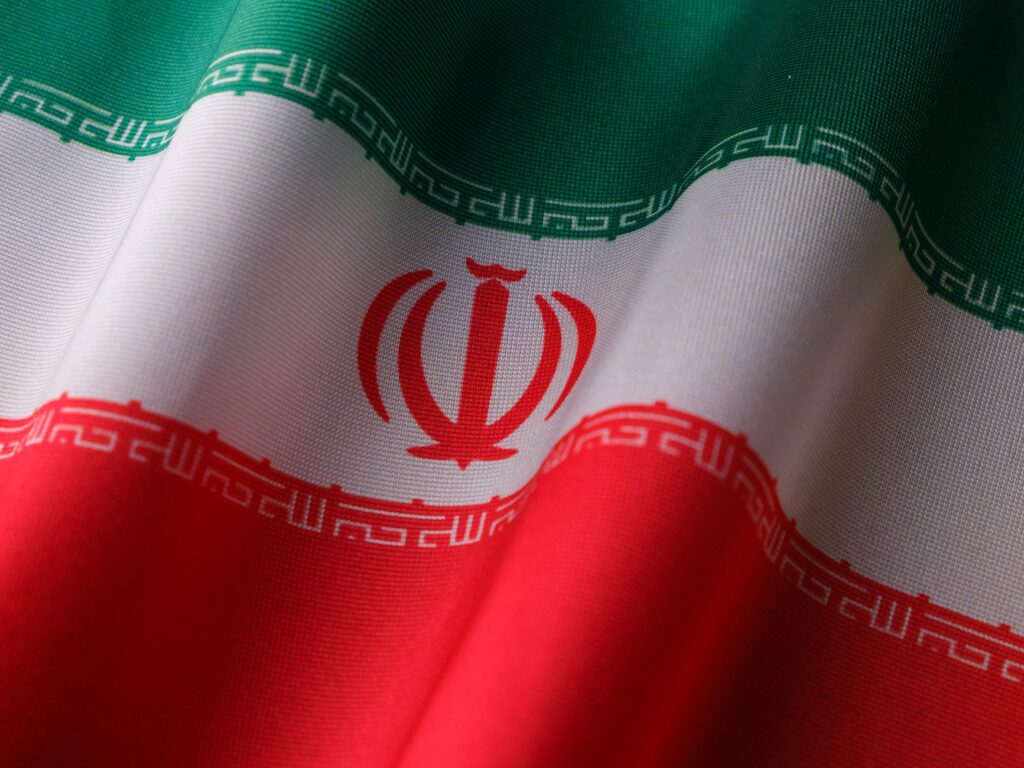
Iran failed nation is a term echoed by Trump, highlighting the regime’s struggles amid Operation Epic Fury’s pressures. This situation raises critical questions about the future of Iran and its governance.
Trump’s Critique of Iran
In a recent statement, former President Donald Trump described Iran as a failed nation, emphasizing the impact of Operation Epic Fury on the regime’s stability. His critique comes in light of ongoing tensions and the Iranian government’s struggle to maintain control amid economic hardships and international isolation.
Trump’s comments reflect a broader narrative that questions the viability of Iran’s current leadership. He pointed to several factors contributing to this assessment:
- Economic Decline: Iran’s economy has faced significant challenges, including high inflation and unemployment rates.
- Political Repression: The regime has been criticized for its harsh crackdown on dissent and lack of democratic freedoms.
- International Relations: Ongoing disputes with the global community have isolated Iran, further exacerbating its internal issues.
As Operation Epic Fury continues to exert pressure on the Iranian regime, the former president argues that the implications of these actions could lead to significant changes within the country. Trump’s perspective resonates with those who believe that the current state of Iran exemplifies the characteristics of a true failed nation.
Understanding Operation Epic Fury
Operation Epic Fury represents a significant escalation in the ongoing tensions between the United States and Iran. Launched in response to Iran’s destabilizing activities in the Middle East, the operation aims to exert pressure on the regime, which has often been labeled a failed nation by critics. The multifaceted approach involves a combination of military, diplomatic, and economic tactics designed to challenge the Iranian government’s influence and capabilities.
Key elements of Operation Epic Fury include:
- Military Presence: Increased deployment of naval and air assets to the region ensures a robust deterrent against Iranian aggression.
- Economic Sanctions: Targeted sanctions aimed at crippling the financial networks that support the Iranian regime.
- Alliances: Strengthening partnerships with regional allies to isolate Iran diplomatically and economically.
- Cyber Operations: Engaging in cyber warfare to disrupt Iranian communications and military operations.
The implications of this operation are profound, not only for the Iranian government but also for the broader geopolitical landscape. As Iran grapples with internal dissent and economic woes, the strategy aims to highlight its vulnerabilities as a failed nation in the eyes of both its citizens and the international community.
The Current State of Iran
The current state of Iran reflects a nation grappling with severe economic and social challenges. Once a regional powerhouse, Iran is now often labeled a failed nation, struggling to maintain control over its domestic and international affairs. The repercussions of Operation Epic Fury have exacerbated these issues, leading to widespread discontent among its populace.
Several factors contribute to Iran’s precarious situation:
- Economic Decline: Sanctions and mismanagement have resulted in soaring inflation and unemployment rates.
- Social Unrest: Protests against governmental policies and corruption have become more frequent, reflecting a growing dissatisfaction among citizens.
- International Isolation: Diplomatic relations have deteriorated, further isolating Iran from global markets and partnerships.
- Human Rights Violations: Reports of repression and violations continue to emerge, painting a grim picture of the regime’s treatment of dissenters.
As the Iranian government struggles to address these escalating issues, the label of a failed nation hangs over its leadership, prompting questions about the future stability and viability of the regime.
Geopolitical Implications of the Conflict
The ongoing conflict in Iran has significant geopolitical implications that extend far beyond its borders. As many analysts point out, the characterization of Iran as a failed nation resonates with the international community, particularly in the context of Operation Epic Fury. This operation has not only intensified internal strife but has also altered regional power dynamics.
One major consequence is the potential shift in alliances. Countries that have previously supported Iran may reconsider their positions as the regime appears increasingly unstable. The ramifications of this shift could lead to:
- Heightened tensions between Iran and neighboring states, particularly those with vested interests in maintaining stability.
- Increased military presence from the United States and its allies in the region, aimed at countering any aggressive moves from a beleaguered Iranian regime.
- Opportunities for opposition groups within Iran to gain momentum, potentially leading to a power shift that could reshape the nation’s future.
In this complex landscape, the narrative of Iran as a failed nation is likely to influence diplomatic strategies and economic sanctions aimed at curtailing the regime’s influence.
Public Reaction to Trump’s Statements
The public reaction to former President Donald Trump’s statements regarding Iran has been mixed, reflecting deep divisions in American society. Many supporters of Trump have echoed his sentiment, agreeing with his characterization of Iran as a failed nation. They believe this label accurately reflects the country’s current political and economic struggles exacerbated by international sanctions and internal corruption.
Conversely, critics argue that such language is inflammatory and counterproductive. They contend that labeling Iran a failed nation oversimplifies a complex geopolitical situation and undermines efforts for diplomatic resolution. These critics express concern that Trump’s rhetoric could escalate tensions further, risking military confrontation.
Social media platforms have been flooded with responses, with many users expressing their views on the implications of Trump’s remarks. Some have taken to platforms like Twitter to highlight the humanitarian crises in Iran, emphasizing that the people should not be blamed for the actions of their government.
- Supporters view Trump’s comments as a necessary wake-up call.
- Opponents fear it may incite further violence.
- Public discourse continues to evolve as the situation develops.
The consequences of the military intervention have further solidified Iran’s status as a failed nation. As the government struggles to maintain control, the label of an “Iran failed nation” continues to resonate both locally and globally.
Photo by Engin Akyurt on Pexels




![F]FET gliomas assessment](https://hakabet234.com/wp-content/uploads/2026/10/f-fet-gliomas-assessment-300x200.jpg)